

Top 20 Kids Activities Every Child Should Experience Before Age 12
Fun, hands-on experiences that help kids explore the world, pick up real skills, and grow a little more confident along the way.
Childhood is basically one long chance to try new things, figure out what you like, make friends, and collect memories. And the best part? The experiences that stick usually don't need fancy toys, expensive gear, or a big trip. Sometimes it's the simple stuff — a backyard fort, a messy science experiment, a family game night — that shapes a kid the most.
Here are 20 activities worth introducing before age 12. You'll find outdoor adventures, creative projects, hands-on learning, physical play, everyday life skills, and plenty of chances to connect with family and community along the way.
Quick Answer: What Activities Should Every Kid Try?
Reading, swimming, cooking, gardening, sports, arts and crafts, science experiments, outdoor exploration, music, volunteering, building projects, and imaginative play are all great places to start. This isn't a checklist to rush through — it's a starting point. The real goal is giving kids the chance to discover what they love while building skills in movement, creativity, social interaction, and problem-solving along the way.
Get Outside and Explore Nature
A walk through a park, forest, beach, or garden turns into an adventure when kids are actually looking — at birds, bugs, plants, rocks, clouds, whatever catches their eye.
Turn it into a game: find three different types of leaves, spot a bird, snap a photo of something interesting. A little challenge is often all it takes to turn a regular walk into something kids actually remember.
Learn to Swim
Swimming isn't just fun — it's a genuine safety skill. Kids can start with the basics: floating, kicking, breathing, and slowly build up to actual strokes.
Always go with age-appropriate lessons, and never leave kids unsupervised around water — no matter how confident they seem.
Get Hooked on a Book Series
Let kids pick something that actually interests them — fantasy, mystery, animals, science, history, whatever hooks them. That's the whole trick to getting a reluctant reader reading.
Reading together makes it even better. Ask what they think happens next, or which character they'd want to be — it turns reading into a conversation instead of a chore.
Grow Something in a Small Garden
There's something satisfying about watching a seed you planted actually turn into a plant. Let kids pick something easy — flowers, herbs, a tomato plant — and take the lead.
They can prep the soil, plant the seeds, water it, and watch it change over the weeks. No yard? A container garden on a windowsill works just as well.
Help Cook a Meal
Cooking is one of those skills kids will actually use for the rest of their lives. Depending on their age, they can wash vegetables, measure ingredients, mix batter, build sandwiches, or plate the food.
Just make sure an adult is right there for anything involving knives, the stove, or hot surfaces.
Dive Into an Art Project
Painting, drawing, clay, paper crafts, collage — creative projects give kids a way to express themselves without worrying about getting it "right."
Let them choose their own colors, shapes, and subject. Honestly, the mess and the process usually matter more than what ends up on the fridge.
Play on a Team
Football, basketball, cricket, volleyball, hockey — any team sport introduces kids to working with others while getting them moving.
Keep the focus on fun, effort, and learning — not just winning. That's what actually keeps kids coming back to a sport.
Build Something From Scratch
Blocks, cardboard boxes, recycled bits and pieces, or a construction set — give kids the raw materials and let them figure out the rest.
Ask them to build a bridge, a tower, a vehicle, or something totally made up. And when it collapses (it will), help them figure out why instead of just rebuilding it for them.
Run a Simple Science Experiment
Kids ask "why" about everything — so hand them a way to find out. A supervised experiment turns curiosity into an actual discovery.
Try something with floating and sinking, magnets, plant growth, evaporation, or a simple circuit — whatever matches their age and attention span.
Mess Around With Music
Singing, drumming on pots, piano, guitar — whatever gets them making noise on purpose. Formal lessons are nice, but not required.
Even messing around at home helps kids discover rhythm, sound, and the fun of performing — even if it's just for the family dog.
Go on a Family Hike
A hike combines movement with exploring the outdoors. Just pick a trail that actually matches the kid's age and stamina — nobody's having fun on a hike that's too hard.
Let them carry their own small backpack, help follow the trail, spot wildlife from a safe distance, and take breaks whenever they need to.
Start a Family Game Night
Board games, card games, jigsaw puzzles, cooperative games — game night is one of the easiest ways to spend real time together.
Along the way, kids pick up how to follow rules, wait their turn, make decisions, and — just as importantly — handle losing gracefully.
Visit a Museum or Science Center
Museums turn art, science, history, and culture into something kids can actually touch, click, or watch move.
Before you go, pick a couple of exhibits you think they'll like, then let them ask questions the whole way through — that's where the real learning happens.
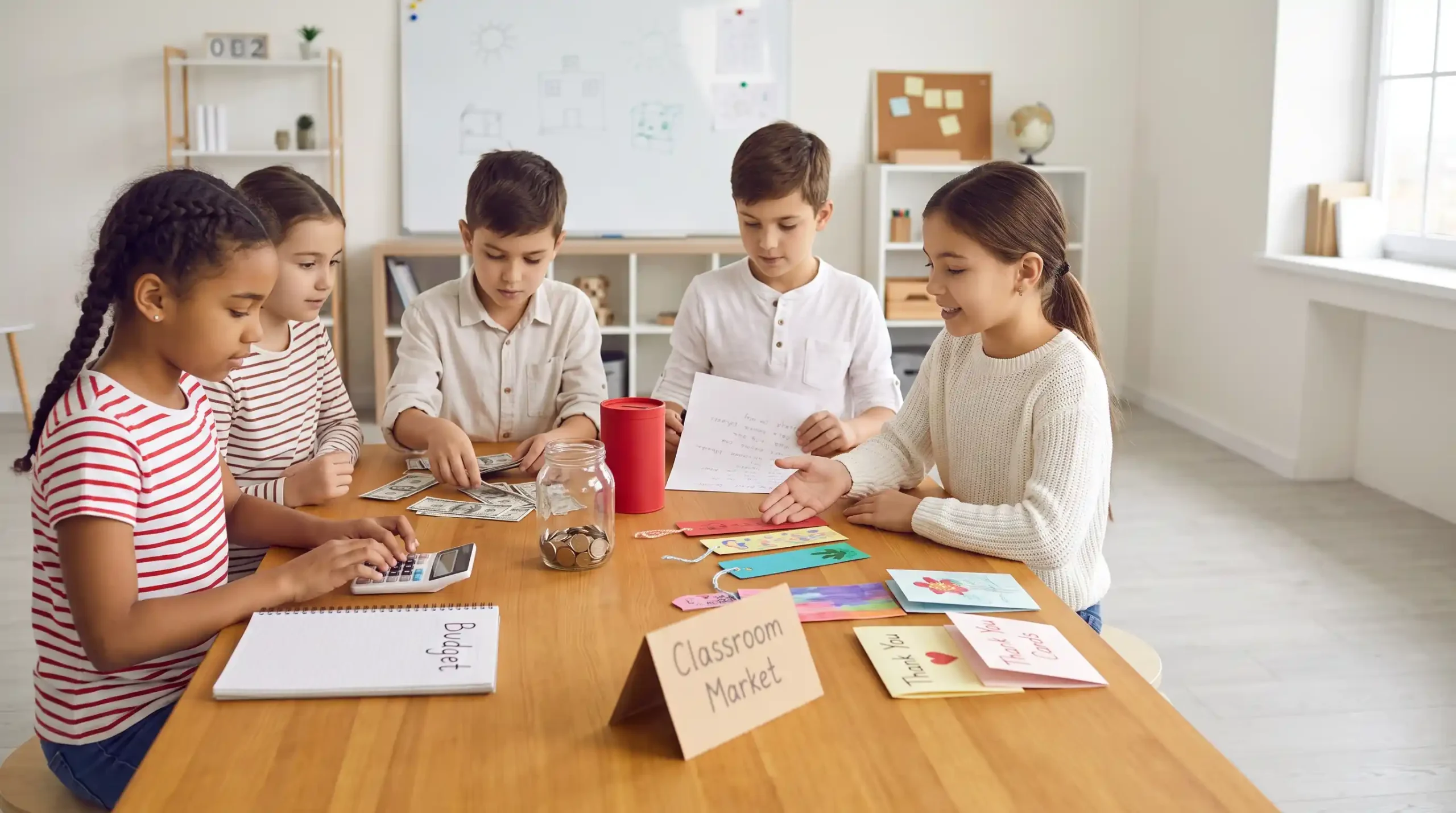
Learn the Basics of Money
Saving, spending, budgeting, comparing prices — these are all things kids can start understanding way earlier than most people expect.
A small allowance or a pretend "shopping trip" can turn abstract money concepts into something they actually get.
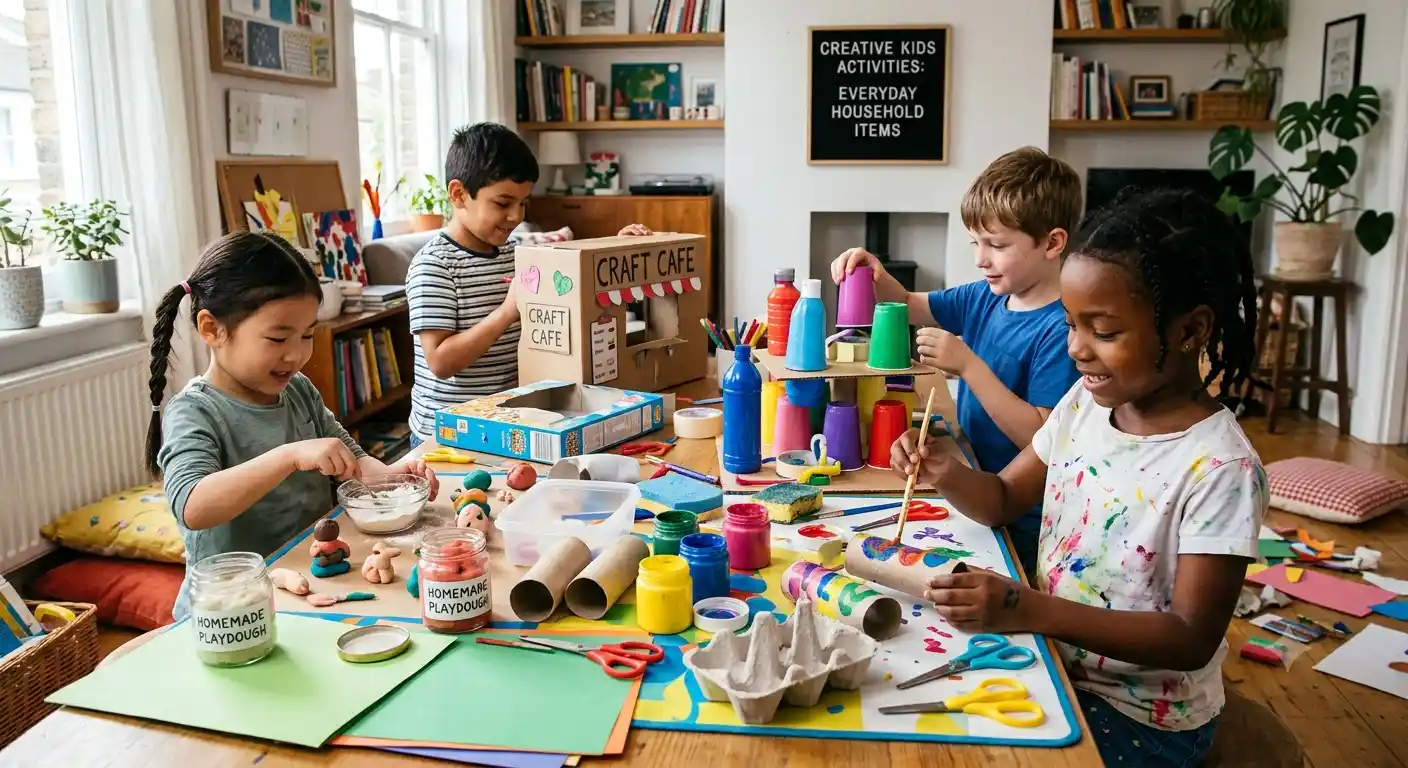
Turn Trash Into Something Cool
Cardboard boxes, paper towel rolls, empty containers — kids are surprisingly good at seeing potential in stuff we'd normally toss.
Challenge them to build a robot, a house, a vehicle, or an animal. It's a great way to get them thinking creatively about everyday objects.
Pack a Picnic
A picnic doesn't sound like much on paper, but it's the kind of simple outing kids remember for years. Let them help pack food, choose the spot, and plan the games.
Add frisbee, storytelling, a bit of nature-spotting, or a mini scavenger hunt to keep things interesting.
Take On a Puzzle or Brain Teaser
Jigsaw puzzles, riddles, mazes, matching games, and age-appropriate strategy games make problem-solving feel like play instead of school.
Ask kids to walk you through how they got their answer, instead of just telling them if it's right. That's where real thinking happens.
Perform in Front of Others
Telling a story, acting out a short play, singing a song, or showing off a skill — a small performance can do a lot for a kid's confidence.
Keep the pressure low. Let them decide how much they want to do, and make it clear there's no wrong way to give it a shot.
Pitch In on a Community Project
Sorting donations, helping clean a shared space, or lending a hand at a local event — age-appropriate ways for kids to see how helping others actually works.
It's a simple but powerful lesson: even small contributions genuinely make a difference to someone else.
Have a Pure Imagination Adventure
Some of the best childhood memories need zero equipment. A blanket fort, a homemade treasure hunt, dress-up characters, an invented world in the backyard — the sky's the limit.
Let kids run the story themselves. Unstructured, made-up play gives them room to experiment and make their own rules — no adult required.
All 20 Activities at a Glance
| # | Activity | Main Skills |
|---|---|---|
| 1 | Explore Nature | Observation and curiosity |
| 2 | Learn to Swim | Water confidence and coordination |
| 3 | Read a Book Series | Vocabulary and imagination |
| 4 | Plant a Garden | Responsibility and patience |
| 5 | Cook a Simple Meal | Independence and practical skills |
| 6 | Creative Arts | Creativity and self-expression |
| 7 | Team Sport | Teamwork and fitness |
| 8 | Build Something | Problem-solving and design |
| 9 | Science Experiment | Scientific thinking |
| 10 | Musical Skill | Rhythm and concentration |
| 11 | Family Hike | Endurance and navigation |
| 12 | Family Game Night | Strategy and communication |
| 13 | Museum Visit | Curiosity and learning |
| 14 | Money Skills | Planning and decision-making |
| 15 | Recycled Material Project | Resourcefulness and creativity |
| 16 | Outdoor Picnic | Planning and social skills |
| 17 | Puzzles | Logic and concentration |
| 18 | Performance | Communication and confidence |
| 19 | Community Project | Empathy and teamwork |
| 20 | Imaginative Adventure | Creativity and storytelling |
How Do You Pick the Right Activities for Your Kid?
Not every kid is going to love the same thing, and that's fine. One might live for sports, another would rather read or draw for hours. These ideas aren't meant to be a to-do list — they're just a starting point for exploring.
Think about your child's age, interests, personality, and comfort level. Start with what already fits, then gently stretch into something new.
It also helps to mix things up across the year — some physical play, some creative projects, some learning, some outdoor time, some social activities, some everyday life skills.
A Few Tips for Making Activities More Fun
- Let kids have a say in what they try.
- Care more about participation than perfection.
- Match the activity to their age and ability.
- Keep an eye on safety and stay nearby when needed.
- Use everyday household stuff — it doesn't need to cost much.
- Let them mess up and try again without stepping in too fast.
- Balance planned activities with free, unstructured play.
- Praise the effort and curiosity, not just the result.
Frequently Asked Questions
1. What are the best activities for kids under 12?
Outdoor exploration, swimming, reading, gardening, cooking, arts and crafts, sports, science experiments, music, puzzles, building projects, and imaginative play are all solid choices. The right one really just depends on the kid — their age, interests, and abilities.
2. Why do activities matter so much for kids?
They give kids real chances to practice physical, social, creative, and problem-solving skills — and, just as importantly, to figure out what they actually enjoy and become a bit more independent.
3. How can parents make activities more enjoyable?
Let kids choose, keep expectations realistic, join in when it makes sense, and focus on exploring rather than getting it perfect.
4. What are some cheap activities for kids?
Reading, nature walks, drawing, homemade crafts, gardening, scavenger hunts, blanket forts, puzzles, storytelling, and building with recycled materials — none of it needs to cost much at all.
5. Should kids be pushed to try things they've never done before?
New experiences can genuinely help kids discover interests and build confidence — but they should be introduced gently, in an age-appropriate way, without forcing participation.
Final Thoughts
The experiences kids actually remember usually aren't the expensive or complicated ones. A nature walk, a homemade meal, an art project, a family game, a backyard science experiment, or a made-up adventure can turn into the kind of memory that sticks for years.
By giving kids a taste of these 20 activities before they turn 12, parents and caregivers open the door to new interests, real skills, and — most importantly — a genuine love of learning.
But don't overthink it. Childhood isn't a checklist. Leave room for play, mess, mistakes, questions, and fun — that's really where the good stuff happens.
Search
Recent Posts
12 October, 2026
From Pocket Money to Profit: Teaching Kids Basic Business Skills