

Best Kids Activities for Siblings of Different Ages
Finding an activity that keeps siblings of different ages interested can sometimes feel challenging. A preschooler may want to build with blocks, while an older child may prefer science experiments, crafts, sports, or technology.
The good news is that siblings do not always need to do exactly the same thing to enjoy an activity together. With a little creativity, parents can choose kids activities for siblings that allow children of different ages to participate at their own level.
Shared activities can give siblings opportunities to play, communicate, cooperate, solve problems, and create something together.
In this guide, we explore some of the best activities for siblings of different ages, including creative projects, outdoor games, STEM challenges, cooking, storytelling, entrepreneurship, and family activities.
Why Are Activities for Siblings Important?
When siblings participate in activities together, they have opportunities to learn from one another.
Younger children can observe older siblings, while older children can practice patience, leadership, communication, and teamwork.
Shared activities can help siblings:
The activity does not need to be complicated or expensive. Many enjoyable sibling activities can be created using materials already available at home.
For more ideas, explore the Kids Activities category on Kidspreneur .
1. Create an Age-Friendly Art Project
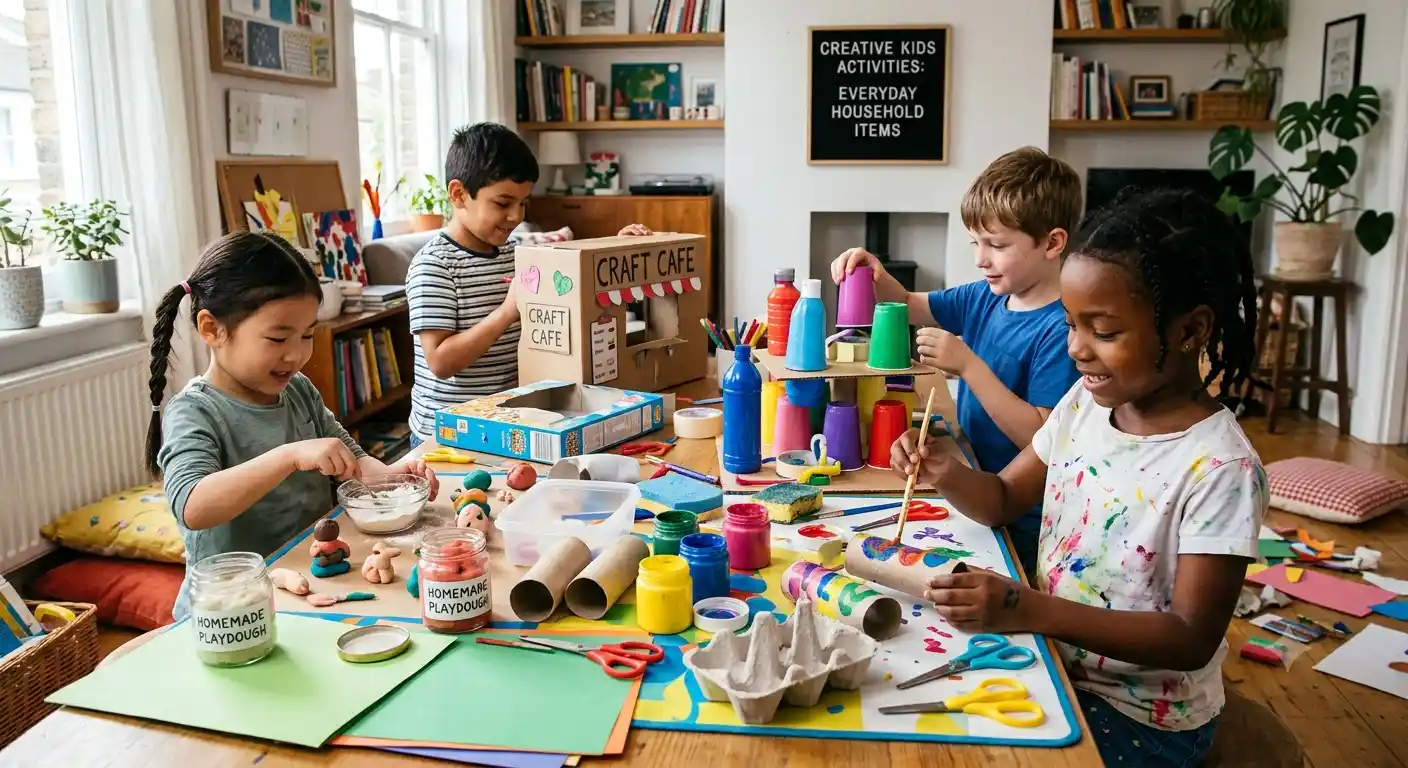
Art is one of the easiest activities to adapt for siblings of different ages.
Give everyone the same general theme but allow each child to create something appropriate for their age.
Younger Child
Draw a picture or make a simple craft.
Older Child
Create a painting or detailed craft.
Teenager
Design a detailed poster or digital artwork.
"Design our dream house."
One child can draw the house, another can design the garden, while an older sibling can create a detailed floor plan.
This allows everyone to contribute without expecting every child to have the same skill level.
2. Build a Family LEGO or Building Challenge
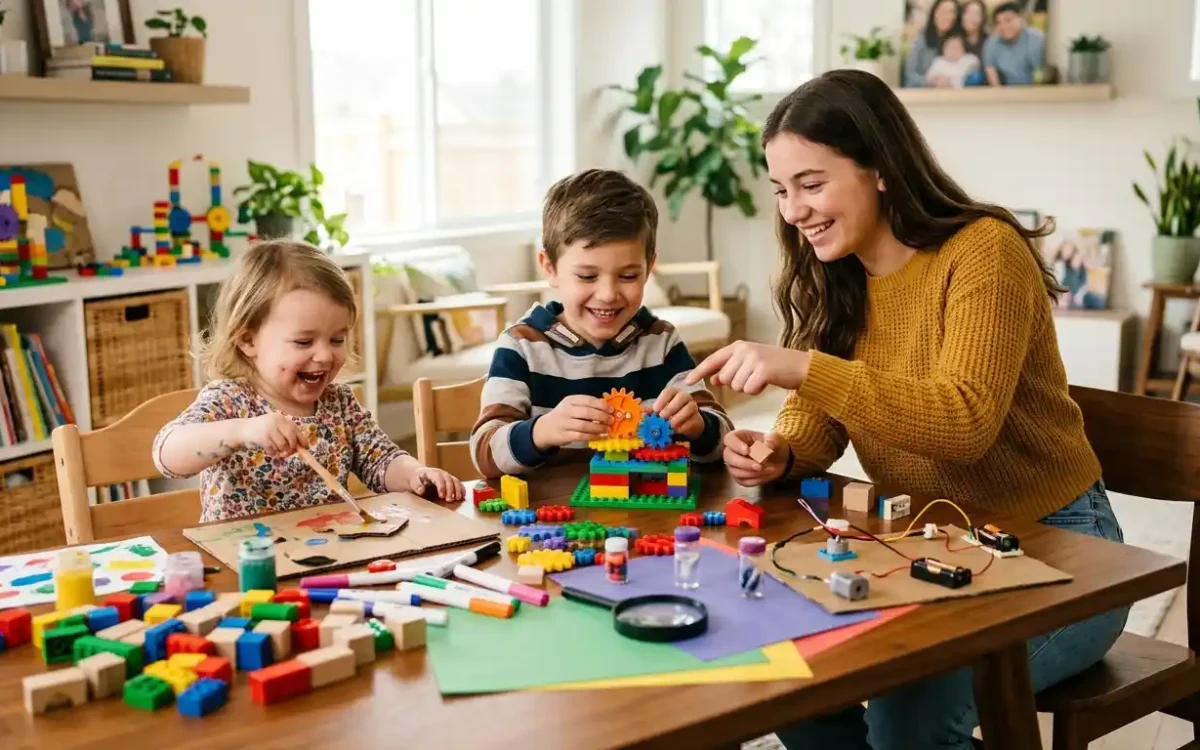
Building activities are excellent for mixed-age siblings because children can take different roles.
You could challenge siblings to build:
- A dream house
- A bridge
- A city
- A zoo
- A spaceship
- A school
- A robot
- A theme park
Younger children can focus on stacking and decorating, while older children can work on planning and construction.
The final goal should be shared rather than competitive. This helps children learn that different abilities can contribute to the same project.
3. Try a Simple STEM Challenge
STEM activities can easily be adjusted for different ages.
Paper Bridge Challenge
Give the siblings paper, cardboard, tape, and other safe materials.
The children can then compare their designs and discuss what worked. This turns one activity into different learning opportunities.
4. Organize a Treasure Hunt
A treasure hunt is a fun activity for almost any age.
Hide clues around the house or garden and create a simple adventure.
Younger children can look for pictures or objects. Older children can read written clues and solve simple puzzles.
"Your next clue is hiding where we keep things cold."
The children need to figure out that the next clue is near the refrigerator.
Older siblings can help younger children understand the clues instead of simply solving everything themselves.
5. Have a Family Cooking Challenge
Cooking is another excellent activity for siblings of different ages.
Children can participate according to their abilities and with appropriate adult supervision.
Younger Children
- Wash vegetables
- Mix ingredients
- Decorate cookies
- Arrange food
Older Children
- Measure ingredients
- Follow recipes
- Prepare simple foods
- Organize ingredients
Teenagers
- Plan the recipe
- Calculate costs
- Prepare food
- Help younger siblings
Parents can even turn the activity into a mini entrepreneurship lesson by asking children to calculate how much the recipe costs.
Explore more ideas in the Kids Activities category on Kidspreneur .
6. Create a Story Together
Collaborative storytelling is a simple activity that requires almost no materials.
One person starts the story with a sentence.
"One morning, three siblings discovered a mysterious box in the garden."
The next sibling adds another sentence. Then another sibling continues the story.
You can give each child a role:
- One child creates characters
- One creates the setting
- One develops the problem
- One creates the ending
Younger children can contribute simple ideas while older children can help develop the storyline.
7. Plan an Outdoor Scavenger Hunt
Take siblings outside and create a list of things they need to find.
- Something green
- A smooth stone
- A flower
- A bird
- Something round
- Something that makes a sound
- Something that starts with the letter B
Younger children can search for objects, while older siblings can read the list and keep track of completed tasks.
This activity combines movement, observation, communication, and teamwork.
8. Start a Family Gardening Project
Gardening can become a long-term activity for siblings.
Give each child a responsibility.
Younger Children
Water plants or help place seeds.
Older Children
Measure plant growth and maintain the garden.
Teenagers
Research plants and create a gardening schedule.
Children can keep a simple plant growth journal and record the plant name, date planted, height, number of leaves, watering schedule, and changes they observe.
9. Organize a Family Sports Day
Different ages do not have to compete under exactly the same rules. Instead, create activities where everyone can participate.
- Balloon races
- Relay races
- Throwing games
- Football
- Cricket
- Badminton
- Obstacle courses
- Balance challenges
- Walking races
You can modify the distance, rules, or equipment based on age.
The focus should be on participation and teamwork rather than simply determining a winner.
10. Make a DIY Board Game
Older children can design the game while younger siblings help with drawings and decorations.
For example, create a board game about "A Journey Around the World."
Children can design:
- Game board
- Cards
- Characters
- Rules
- Challenges
- Points system
Younger children can draw pictures, while older children can write questions and develop the rules.
At the end, everyone gets to play the game they created together.
11. Have a Reading and Storytelling Session
Siblings can enjoy books together even when they have different reading levels.
An older sibling can read a story aloud to a younger sibling.
This turns reading into a shared family learning experience.
12. Create a Family Photography Challenge
Give the children a phone or camera under appropriate supervision and create a photography challenge.
Choose categories such as:
- Something colorful
- Something tiny
- Nature
- Family
- Something funny
- A beautiful view
- A creative picture
- Something old
Younger children can focus on finding subjects. Older children can experiment with composition and storytelling.
Teenagers can explore photography techniques such as framing, perspective, and lighting.
13. Start a Mini Entrepreneurship Project
Entrepreneurship can be adapted for different ages.
For example, siblings could create a small family craft shop project.
Younger Child
Create simple drawings or decorations.
Older Child
Make greeting cards or crafts.
Teenager
Help with pricing, branding, budgeting, and presentation.
This teaches:
- Creativity
- Budgeting
- Pricing
- Communication
- Teamwork
- Problem-solving
14. Try a Family Science Experiment
Choose a simple experiment that can be adapted for different ages.
Younger children can observe the changes. Older children can record observations. Teenagers can research why crystals form and document the experiment.
Other ideas include:
- Balloon experiments
- Simple circuits
- Paper airplanes
- Floating and sinking experiments
- Homemade volcano models
- Seed-growing experiments
- Magnet experiments
Always choose age-appropriate materials and provide adult supervision where needed.
15. Create a Sibling Talent Show
Give every sibling an opportunity to demonstrate something they enjoy.
- Sing
- Dance
- Tell jokes
- Perform magic tricks
- Play an instrument
- Draw
- Recite a poem
- Demonstrate a skill
- Tell a story
The important part is that every child gets a chance to participate.
Older siblings can also help younger children prepare their performances.
16. Make a Family Movie
Older children and teenagers can help with filming and editing, while younger children can participate as actors or storytellers.
"A Day in the Life of Our Family."
Assign roles such as:
- Director
- Camera operator
- Actors
- Costume designer
- Story writer
- Editor
This turns an ordinary family day into a creative project.
17. Build a Puzzle Together
Choose puzzles that can accommodate different abilities.
Younger children can work on simple sections while older siblings can focus on more difficult pieces.
For an extra challenge, divide the puzzle into sections and have everyone work together to complete it.
Puzzle activities encourage patience, observation, concentration, and teamwork.
How Can Parents Make Activities Work for Different Ages?
The biggest challenge with mixed-age activities is making sure every child has a meaningful role.
A useful approach is to give siblings different responsibilities within the same activity.
| Activity | Younger Child | Older Child | Teenager |
|---|---|---|---|
| Cooking | Mix ingredients | Measure | Follow recipe |
| Art | Draw | Paint | Design |
| STEM | Observe | Build | Test |
| Gardening | Water | Plant | Research |
| Storytelling | Create characters | Add story ideas | Write |
| Treasure Hunt | Find clues | Read clues | Design clues |
| Business | Decorate | Make products | Budget |
This approach allows siblings to work together without expecting them to perform at the same level.
Tips for Avoiding Sibling Arguments During Activities
Even fun activities can sometimes lead to disagreements.
Set Clear Rules
Explain the rules before starting.
Give Everyone a Role
Make sure each child has something important to contribute.
Avoid Constant Comparisons
Children of different ages naturally have different abilities.
Encourage Team Goals
Instead of asking who finished first, give everyone a shared goal.
Let Children Take Turns
Taking turns can help reduce arguments over materials or leadership.
Allow Breaks
If children become tired or frustrated, give them time to relax.
The goal is to create positive experiences rather than make every activity a competition.
A Simple Weekly Sibling Activity Plan
Parents can use this simple schedule to give siblings something different to look forward to each day.
| Day | Sibling Activity |
|---|---|
| Monday | Creative art project |
| Tuesday | Outdoor scavenger hunt |
| Wednesday | Cooking challenge |
| Thursday | STEM experiment |
| Friday | Family sports day |
| Saturday | Storytelling or movie project |
| Sunday | Board game and reading |
The schedule can be adjusted according to children's ages, interests, and family routines.
What Makes a Good Activity for Siblings of Different Ages?
A good sibling activity should be:
Most importantly, it should allow every child to contribute.
The purpose is not for every sibling to do exactly the same thing. The goal is to create an experience where everyone can participate, learn, and have fun together.
Final Thoughts
Finding activities for siblings of different ages does not have to be difficult. The key is to choose activities that can be adapted according to each child's abilities and interests.
Art projects, STEM challenges, cooking, gardening, storytelling, treasure hunts, sports, photography, entrepreneurship, and family games can all become shared experiences when parents give children different roles.
Older siblings can practice leadership and patience, while younger children can learn by observing and participating.
Instead of asking whether an activity is suitable for every age, ask:
That simple change can turn an ordinary activity into a meaningful sibling experience.
For more ideas, explore the Kids Activities category on Kidspreneur and discover more activity-focused resources for children.
Quick Answer
What are the best activities for siblings of different ages?
The best activities for siblings of different ages are flexible activities that allow each child to participate according to their age and abilities. Examples include art projects, STEM challenges, cooking, gardening, treasure hunts, storytelling, sports, photography, board games, entrepreneurship projects, and family science experiments.
Frequently Asked Questions
1. What are good activities for siblings of different ages?
Good activities include art projects, cooking, gardening, STEM experiments, treasure hunts, storytelling, sports, photography, board games, and family challenges. The activity can be adapted so each child has an age-appropriate role.
2. How can siblings of different ages play together?
Siblings of different ages can play together by participating in collaborative activities where each child has a different responsibility. For example, an older child can read instructions while a younger child helps with materials.
3. What are fun sibling activities to do at home?
Fun sibling activities at home include cooking, baking, arts and crafts, building challenges, storytelling, board games, DIY projects, science experiments, photography challenges, and family movie projects.
4. How can parents keep siblings from arguing during activities?
Parents can reduce arguments by setting clear rules, giving every child a role, encouraging teamwork, avoiding comparisons, taking turns, and allowing children to take breaks when they become frustrated.
5. What activities help siblings build teamwork?
Cooking, STEM challenges, treasure hunts, gardening, sports, building projects, storytelling, and entrepreneurship activities can help siblings practice communication, cooperation, responsibility, and teamwork.
6. Can educational activities work for children of different ages?
Yes. Educational activities can be adjusted according to age. For example, a younger child can observe a science experiment, an older child can perform the experiment, and a teenager can research and explain the science behind it.
7. How can older siblings help younger siblings during activities?
Older siblings can help by explaining instructions, demonstrating skills, organizing materials, reading stories, helping with simple tasks, and encouraging younger children. This can also give older children opportunities to practice leadership and responsibility.
Search
Recent Posts
12 October, 2026
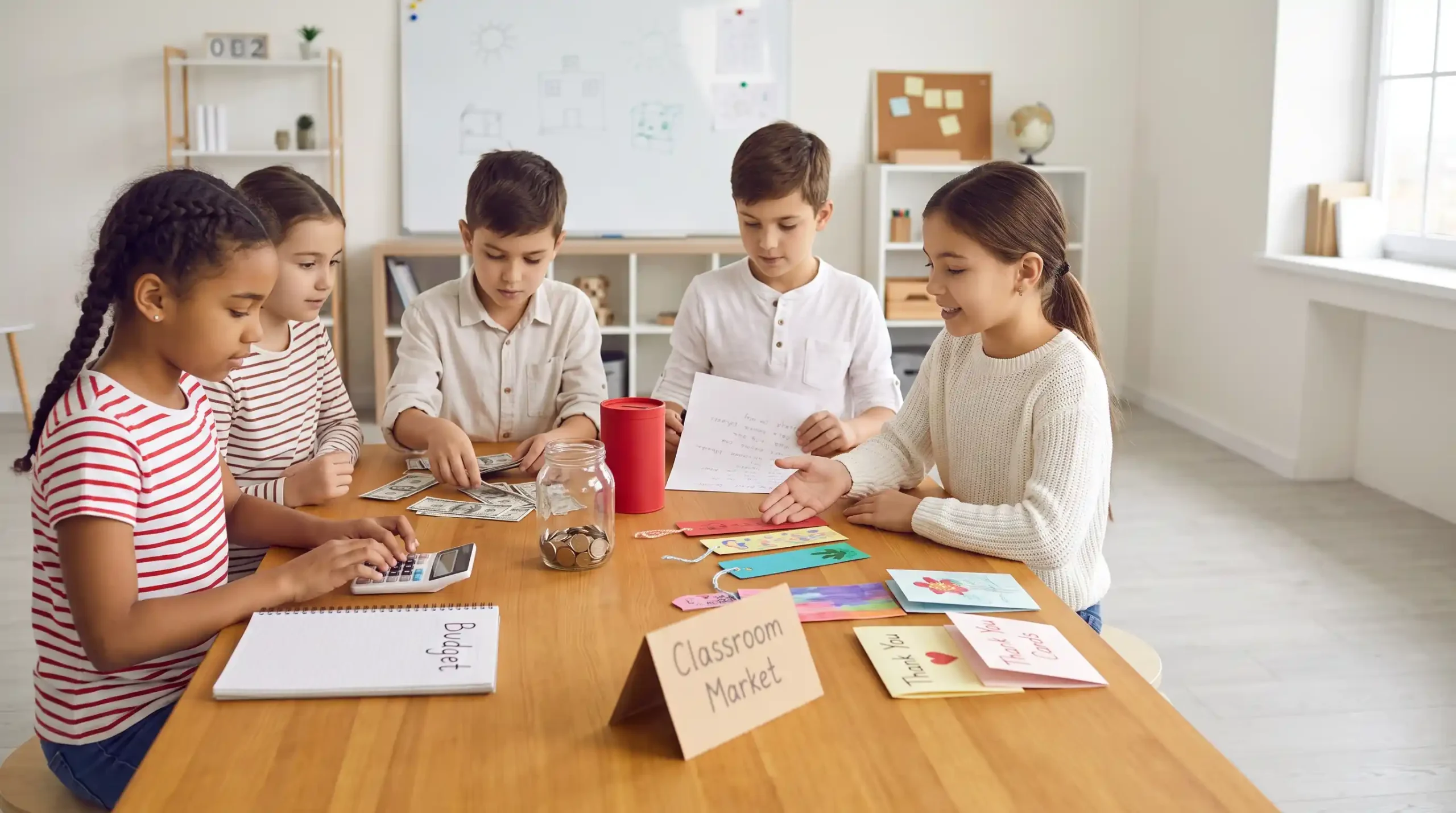
From Pocket Money to Profit: Teaching Kids Basic Business Skills