

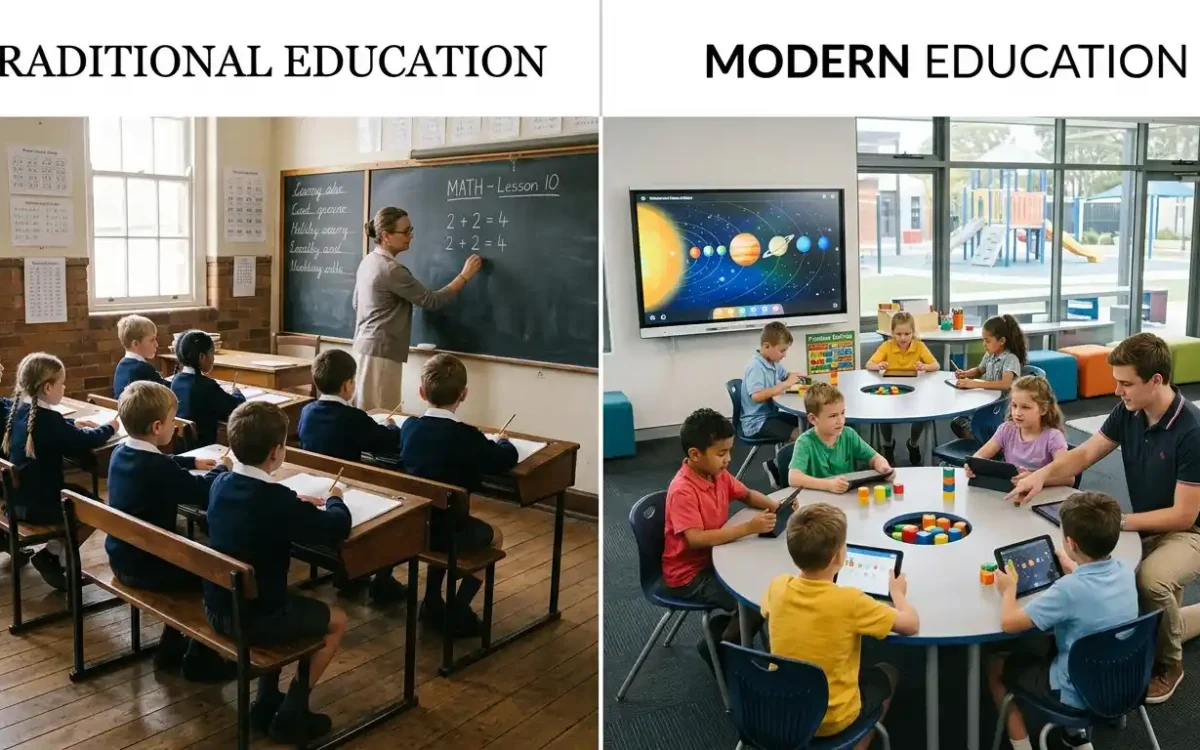
Traditional vs Modern Education for Kids
Education has changed dramatically over the past decades. Parents today often ask an important question: traditional vs modern education for kids — which is better for their child’s future?
Understanding both systems helps parents make smarter decisions for their children’s learning journey, especially in a fast-changing world.
What is Traditional Education?
Traditional education focuses on structured classroom learning where children learn through books, lectures, and memorization.
Key Features:
- Teacher-centered learning
- Rote memorization
- Fixed syllabus
- Exams and grades focus
- Less practical exposure
Example:
A child learns science definitions but may not understand how they apply in real life.
What is Modern Education?
Modern education focuses on skill based learning for kids, creativity, and real-world application.
It includes:
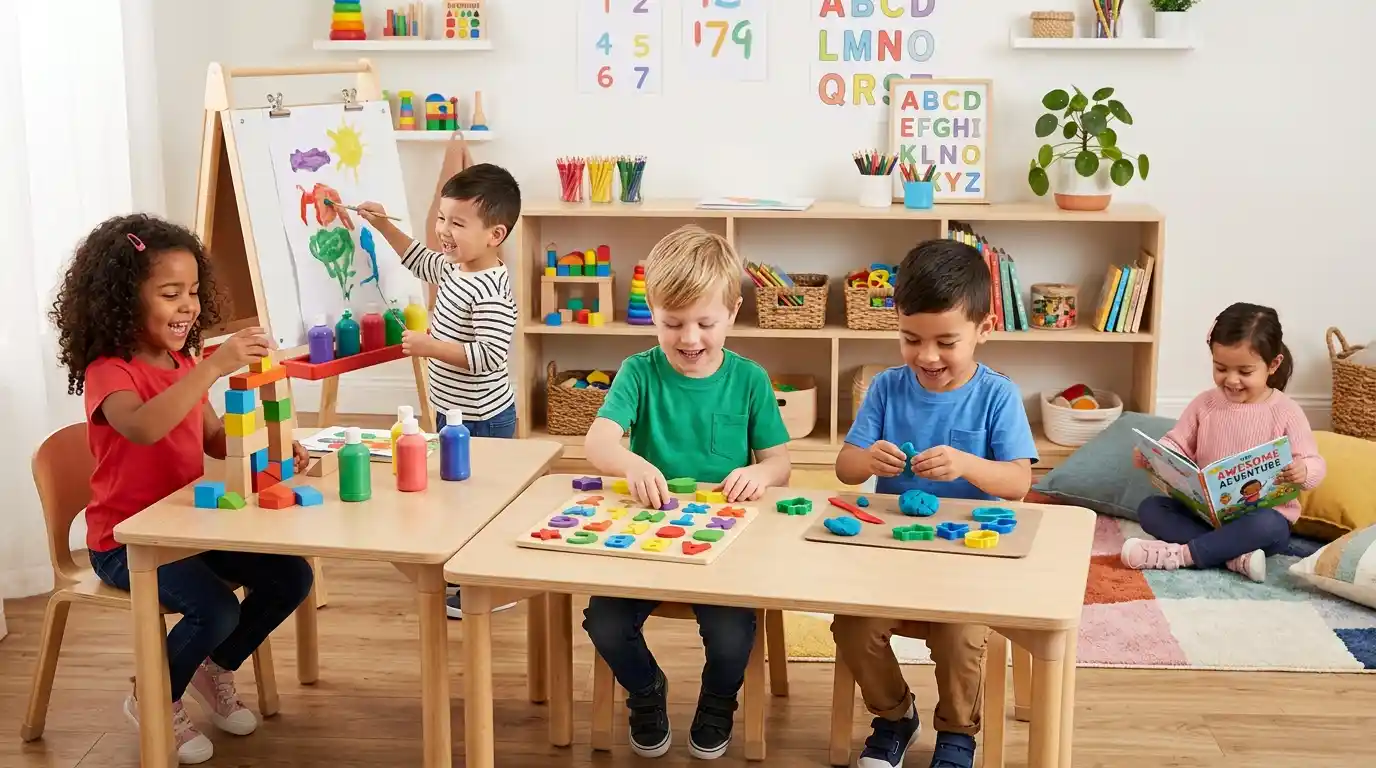
- Activity based learning
- Project-based learning
- Hands-on experiences
- Digital learning tools
- Emotional and social development
Key Features:
- Student-centered learning
- Creativity and innovation
- Problem-solving focus
- Collaboration and teamwork
- Real-world application
Example:
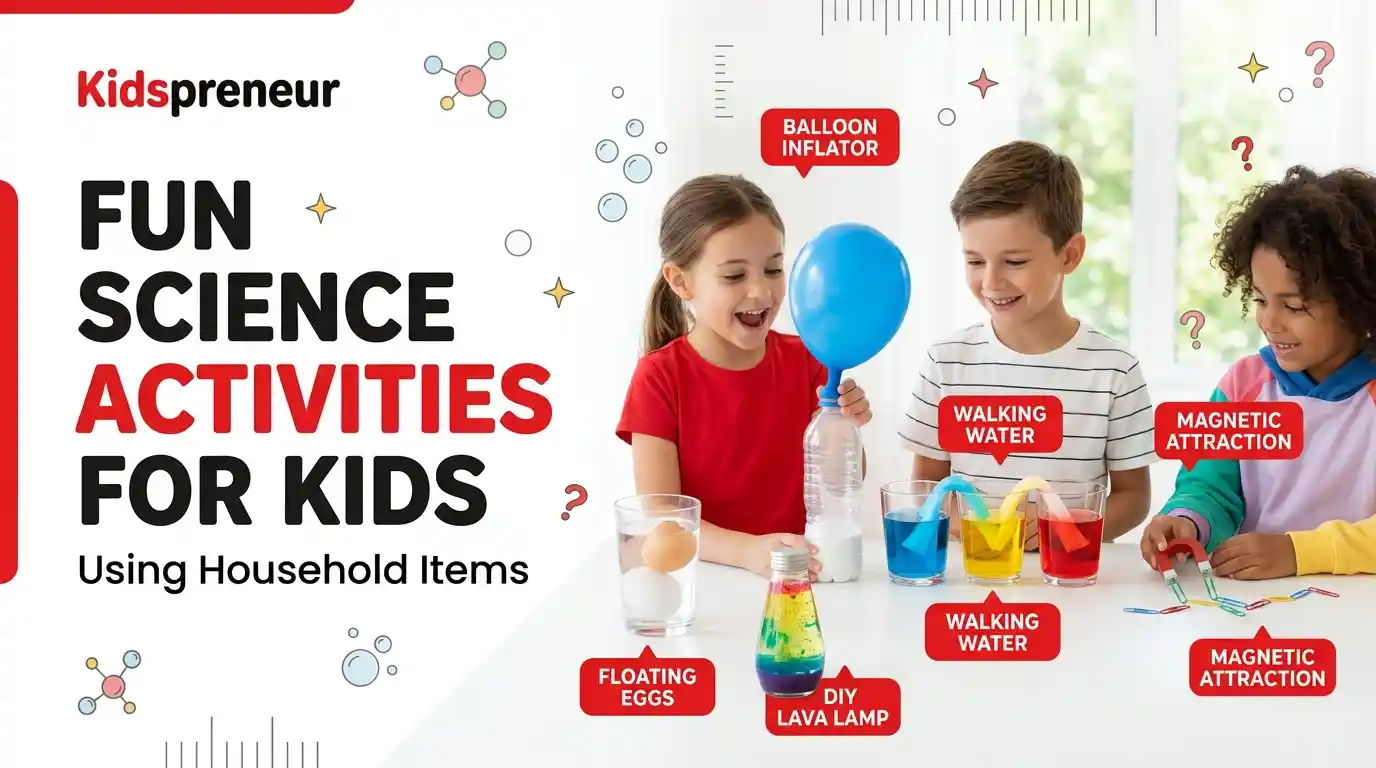
Instead of memorizing science, children build experiments and understand concepts practically.
Traditional vs Modern Education for Kids
| Feature | Traditional Education | Modern Education |
|---|---|---|
| Learning Style | Rote memorization | Activity-based learning |
| Focus | Exams & grades | Skills & understanding |
| Role of Teacher | Instructor | Facilitator |
| Student Role | Passive learner | Active participant |
| Creativity | Limited | Highly encouraged |
| Real-world learning | Minimal | Strong focus |
Why Modern Education is Important for Kids
Modern education prepares children for a future where skills matter more than memorization.
Benefits:
- Builds critical thinking
- Improves creativity
- Develops leadership skills
- Encourages problem solving
- Builds confidence in children
This is why many programs like Kidspreneur focus on future education for children through hands-on experiences.
Problems with Traditional Education System
While traditional education has structure, it has limitations:
Limitations:
- Focus on memorization only
- Less creativity development
- No real-world exposure
- Pressure-based learning
- Limited emotional growth
This system often fails to prepare children for real-life challenges.
How Modern Education Shapes Future-Ready Kids
Modern learning focuses on skill based learning for kids, helping them become:
- Innovators
- Problem solvers
- Confident communicators
- Independent thinkers
This approach prepares children for future careers that don’t even exist yet.
Real-Life Learning vs Classroom Learning
| Traditional Learning | Modern Learning |
|---|---|
| Read theory | Do experiments |
| Memorize answers | Solve problems |
| Individual work | Team projects |
| Exam-focused | Skill-focused |
Which Education System is Better?
The answer is not fully one-sided.
👉 Traditional education provides structure
👉 Modern education builds skills
But for the future, modern education is more aligned with real-world demands.
The best approach is a blend of both systems, where structure meets creativity.
Kidspreneur Approach to Modern Education
At Kidspreneur, we believe in transforming traditional learning into modern education experiences.
We focus on:
- Activity based learning
- Entrepreneurship for kids
- STEM and innovation programs
- Emotional intelligence development
- Real-world problem solving
This helps children develop future-ready skills instead of just memorizing information.
Frequently Asked Questions
1. What is the difference between traditional and modern education for kids?
Traditional education focuses on memorization, while modern education focuses on skills, creativity, and real-world learning.
2. Which education system is better for children?
Modern education is better for future skills, but a combination of both systems is most effective.
3. Why is modern education important?
It helps children develop problem-solving, creativity, and leadership skills needed in the modern world.
4. What is skill based learning for kids?
It is a learning method that focuses on practical skills instead of memorizing theory.
5. How does Kidspreneur support modern education?
Kidspreneur uses activity-based learning, entrepreneurship programs, and hands-on experiences to build future-ready kids.