

Eco-Friendly Kids Activities That Teach Sustainability

Discover eco-friendly kids activities that teach sustainability through fun, hands-on learning. Explore recycling projects, gardening, nature exploration, water conservation, and STEM activities that help children build lifelong environmental habits.
21
Jul
2026

Eco-Friendly Kids Activities That Teach Sustainability

Why Sustainability Education Matters

Today's children will become tomorrow's decision-makers. Teaching sustainable habits early helps them understand the importance of protecting natural resources and respecting the environment.

Learning about sustainability helps children:

  • Appreciate nature
  • Reduce waste
  • Develop responsibility
  • Build problem-solving skills
  • Think critically about consumption
  • Care for animals and plants
  • Understand the importance of conservation

These lessons also encourage empathy, teamwork, and community involvement.

Benefits of Eco-Friendly Activities

Eco-friendly projects offer more than environmental awareness.

Children also develop:

  • Creativity
  • Leadership
  • Scientific thinking
  • Observation skills
  • Patience
  • Responsibility
  • Collaboration
  • Innovation

Most importantly, they realize that their actions can create positive change.

20 Eco-Friendly Kids Activities That Teach Sustainability

1. Create Art from Recycled Materials

Transform everyday waste into creative projects.

  • Pencil holders
  • Toy robots
  • Picture frames
  • Birdhouses
  • Wall art

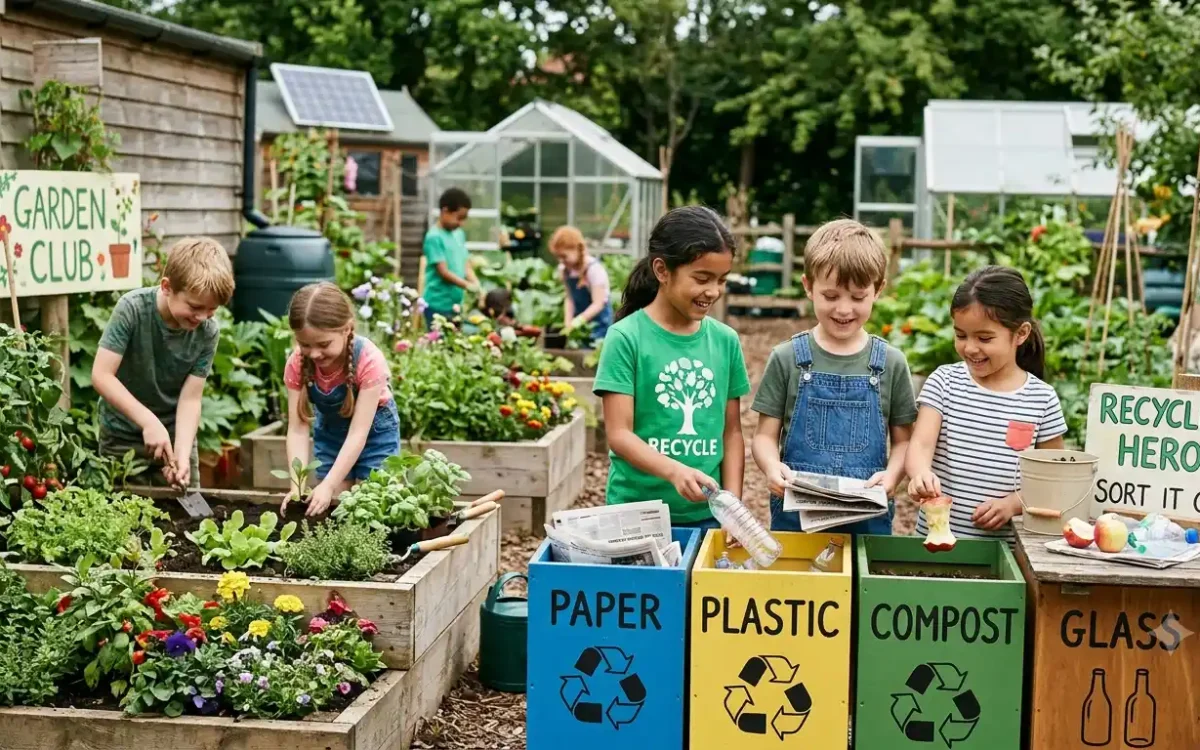
2. Plant a Home Garden

Grow herbs, flowers, or vegetables while learning:

  • Responsibility
  • Patience
  • Plant life cycles
  • Healthy eating habits

3. Build a Compost Bin

Teach children how kitchen waste becomes nutrient-rich compost instead of landfill waste.

4. Organize a Neighborhood Clean-Up

Help children learn:

  • Community responsibility
  • Teamwork
  • Environmental care

5. Make DIY Bird Feeders

Create bird feeders using recycled bottles or cardboard tubes while learning about wildlife conservation.

6. Learn About Water Conservation

  • Shorter showers
  • Turn off taps while brushing
  • Collect rainwater for plants

7. Create an Energy-Saving Checklist

  • Switch off lights
  • Unplug unused devices
  • Use natural ventilation

8. Nature Treasure Hunt

Search for:

  • Leaves
  • Flowers
  • Birds
  • Insects
  • Rocks

9. Build Eco-Friendly STEM Projects

  • Solar ovens
  • Windmills
  • Water filters
  • Rainwater collectors

10. Upcycle Old Clothes

Create reusable shopping bags or fabric crafts instead of throwing clothes away.

11. Start a Recycling Station

Sort household waste into paper, plastic, glass, and metal bins.

12. Grow Plants from Kitchen Scraps

Regrow herbs and vegetables using leftover stems and roots.

13. Build an Insect Hotel

Create shelters for helpful insects using bamboo, sticks, and recycled wood.

14. Plastic-Free Challenge

Reduce single-use plastic for one weekend and discuss eco-friendly alternatives.

15. Eco Storytelling

Read books about wildlife, forests, oceans, and environmental heroes.

16. DIY Natural Bird Bath

Create a simple bird bath using recycled containers and stones.

17. Family Bike Ride

Replace short car journeys with cycling or walking whenever possible.

18. Eco Entrepreneurship Project

Create eco-friendly products like reusable tote bags, planters, or stationery.

19. Homemade Eco-Friendly Cleaners

With adult supervision, make natural cleaners using vinegar and baking soda.

20. Celebrate Earth Day Every Month

Dedicate one day each month to eco-friendly family projects and sustainability challenges.

Sustainability Skills Children Develop

Activity Skills Developed
Gardening Responsibility, patience
Recycling Crafts Creativity, innovation
STEM Projects Critical thinking
Composting Environmental awareness
Community Clean-Up Teamwork, responsibility
Energy Saving Decision-making
Nature Walks Observation, curiosity
Eco Entrepreneurship Leadership, problem-solving

Simple Sustainable Habits Every Child Can Learn

  • Carry reusable water bottles.
  • Use cloth shopping bags.
  • Turn off lights when leaving a room.
  • Save water while brushing teeth.
  • Avoid unnecessary plastic.
  • Recycle correctly.
  • Respect wildlife and plants.
  • Repair or reuse items before replacing them.

Small habits practiced daily become lifelong behaviors.

How Kidspreneur Promotes Sustainability Through Learning

Eco Smart Kids

Students explore recycling, conservation, gardening, and eco-friendly innovation through engaging projects.

Entrepreneurship with Purpose

Children design environmentally responsible products and business ideas that solve real-world challenges.

STEM Learning

Hands-on science projects demonstrate renewable energy, engineering, and sustainable technologies.

Creative Upcycling

Art and design activities encourage children to transform recyclable materials into useful creations.

Community Leadership

Children learn that positive environmental change begins with everyday actions and teamwork.

Tips for Parents

  • Involve children in recycling.
  • Let them care for plants.
  • Visit parks and nature reserves.
  • Discuss environmental issues in age-appropriate ways.
  • Encourage questions about nature.
  • Celebrate eco-friendly achievements.
  • Lead by example.

Children learn most from what they see adults doing.

Final Thoughts

Teaching sustainability isn't about asking children to solve the world's environmental challenges overnight. It's about helping them understand that their daily choices matter.

Whether they're planting a seed, building a bird feeder, reducing plastic waste, or creating art from recycled materials, every activity teaches responsibility, creativity, and respect for the planet.

By introducing eco-friendly habits early, parents and educators can inspire children to become thoughtful individuals who care about their communities and the environment.

The journey toward a greener future begins with one small action—and one curious child.

Frequently Asked Questions

1. What are eco-friendly activities for kids?

Eco-friendly activities include recycling crafts, gardening, composting, nature walks, water conservation games, energy-saving challenges, bird feeder projects, and upcycling household materials.

2. Why is sustainability education important for children?

It helps children understand environmental responsibility, conserve natural resources, reduce waste, and develop lifelong habits that protect the planet.

3. How can parents teach sustainability at home?

Parents can involve children in recycling, gardening, reducing plastic use, conserving water and energy, composting, and making environmentally friendly choices during everyday activities.

4. What skills do children develop through eco-friendly activities?

Children build creativity, critical thinking, responsibility, teamwork, leadership, environmental awareness, problem-solving, and scientific curiosity.

5. How does Kidspreneur teach sustainability?

Kidspreneur introduces sustainability through Eco Smart Kids activities, STEM projects, entrepreneurship challenges, creative upcycling, and environmental awareness programs that inspire children to become responsible global citizens.

Cart (0 items)
Cart (0 items)