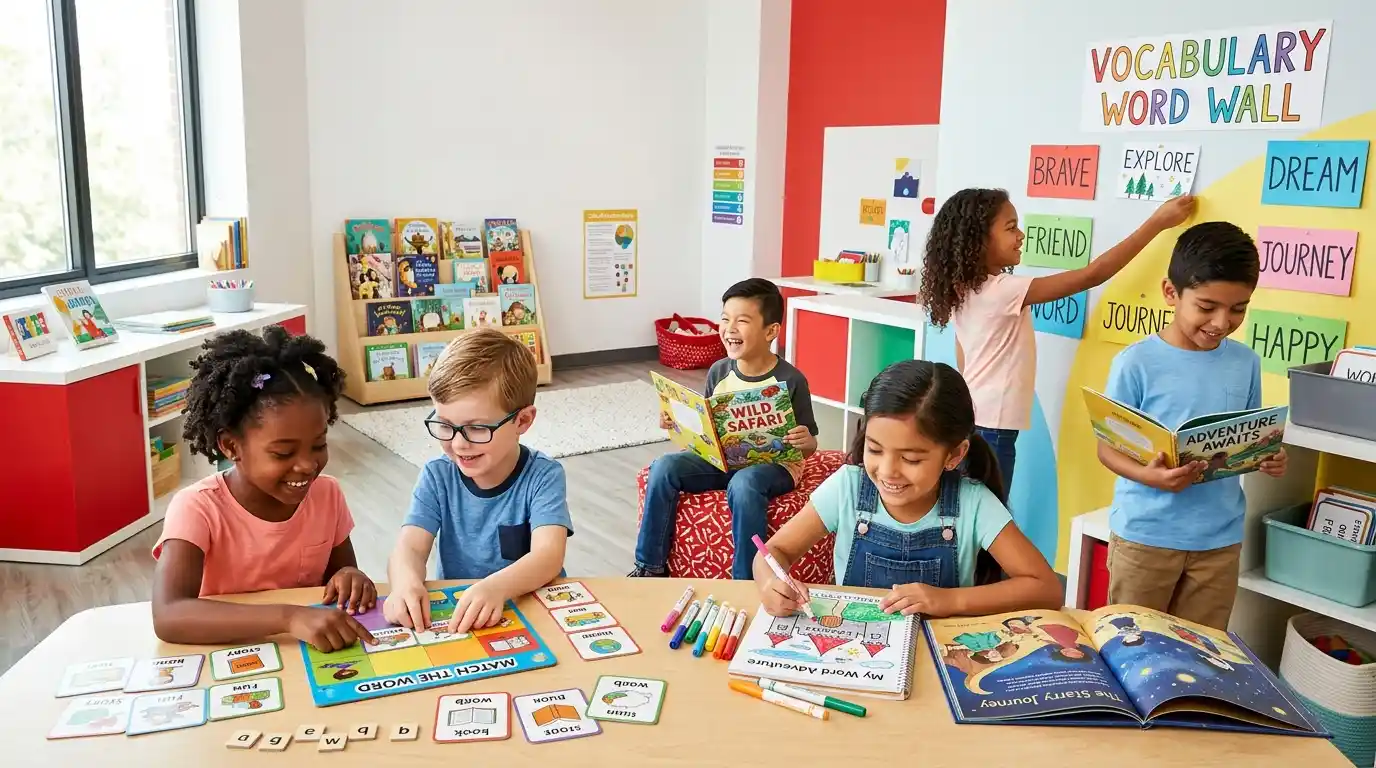




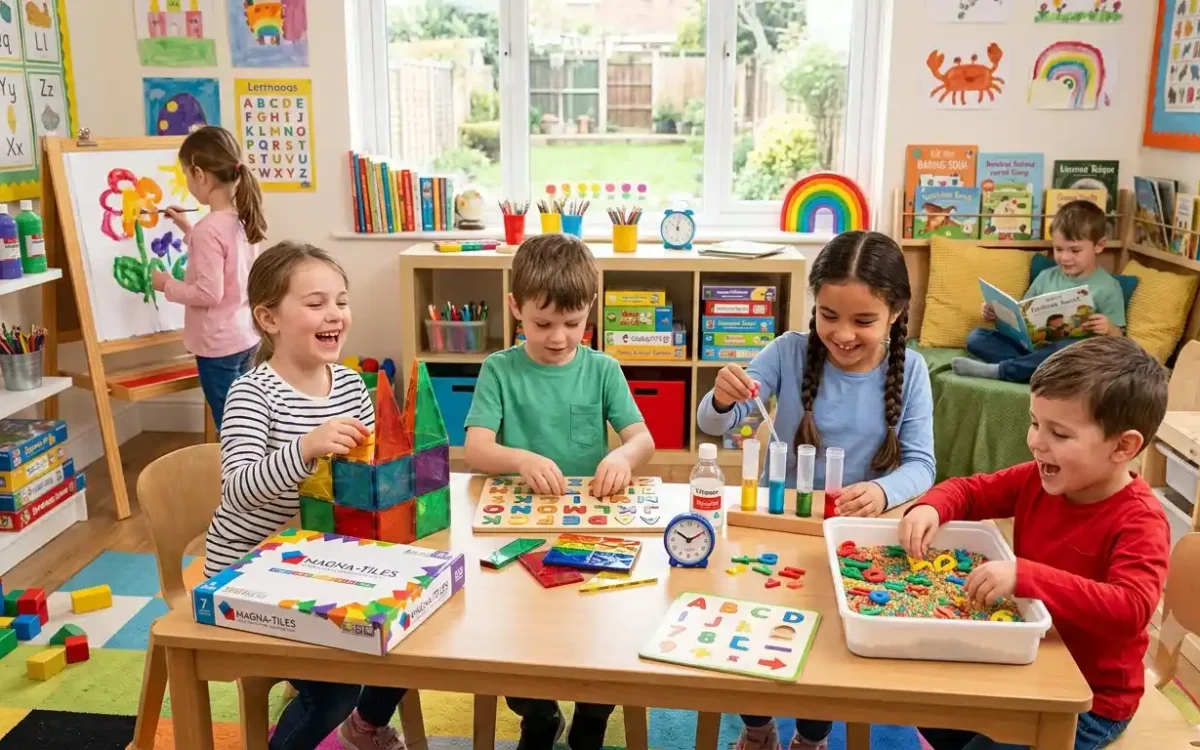
50 Fun Kids Activities to Keep Children Learning Every Day
If you've ever watched a kid poke at a puddle for ten straight minutes trying to figure out why it doesn't disappear, you already know children don't need to be convinced to learn. They're naturally curious and eager to explore the world around them.
The trick isn't getting kids to learn. It's giving them enough interesting things to discover.
These 50 fun activities transform ordinary days into exciting learning opportunities. From science experiments and creative projects to communication games and entrepreneurship challenges, every activity helps children develop valuable life skills while having fun.
Why Daily Learning Activities Matter
School teaches many important subjects, but children continue learning long after the school bell rings. Everyday experiences help develop practical skills that classrooms alone cannot provide.
Regular activities help children:
- Develop creativity and imagination
- Improve communication skills
- Strengthen critical thinking
- Build confidence
- Learn teamwork
- Reduce unnecessary screen time
- Improve emotional resilience
- Discover new interests and hobbies
The goal is simple: make learning feel like play.
Creative Activities
1. Draw Your Dream House
Give children a blank sheet of paper and encourage them to design their dream home. Let their imagination run freely with slides, treehouses, or even underwater rooms.
This activity encourages creativity, visualization, and artistic expression.
2. Paint Nature Scenes
Visit a park or garden and ask children to paint what they observe, such as flowers, birds, or trees.
Painting improves observation skills while encouraging creativity.
3. Make Greeting Cards
Create handmade birthday cards, thank-you cards, or holiday greetings for friends and family.
Children learn empathy while practicing drawing and design.
4. Build Paper Animals
Introduce simple origami or paper folding projects to create birds, fish, or other animals.
This activity develops fine motor skills and patience.
5. Design a Family Logo
Encourage children to create a family logo or badge that represents shared values and interests.
It promotes creativity, teamwork, and communication.
STEM Activities
6. Build a Balloon-Powered Car
Use balloons, straws, bottle caps, and cardboard to build a simple vehicle powered by air.
Children discover basic engineering and physics concepts.
7. Create a Baking Soda Volcano
Build a volcano using baking soda and vinegar to create an exciting chemical reaction.
A classic experiment that introduces children to basic chemistry.
8. Build a Paper Bridge
Challenge children to build a bridge using paper and tape that can support coins or small toys.
They learn problem-solving and engineering through experimentation.
9. Make a Homemade Water Filter
Layer cotton, sand, and gravel inside a bottle to explore how water filtration works.
This introduces environmental science and clean water concepts.
10. Create a Simple Circuit
Use beginner electronics kits to build a basic circuit that lights a bulb.
Children gain hands-on experience with electricity and engineering.
Reading and Writing Activities
11. Read Together for 20 Minutes
Spend twenty minutes reading books together every day. Encourage children to ask questions and discuss the story.
Reading improves vocabulary, comprehension, and imagination.
12. Write a Short Story
Give children a fun writing prompt like "A dragon who's afraid of fire" and let them create their own adventure.
Creative writing develops imagination and communication skills.
13. Start a Daily Journal
Encourage children to write about something they learned or enjoyed each day.
Journaling improves writing confidence and self-expression.
14. Create a Comic Book
Combine drawing and storytelling by creating original comic strips with fun characters.
This strengthens creativity and storytelling skills.
15. Write a Letter to a Friend
Encourage children to write letters to friends or relatives and share meaningful experiences.
Letter writing develops communication and empathy.
Communication Activities
16. Show and Tell
Ask children to present their favorite object and explain why it is meaningful.
This builds confidence and presentation skills.
17. Storytelling Competition
Challenge family members to create fun stories using random topics.
Storytelling improves creativity, vocabulary, and public speaking.
18. Role-Playing Games
Pretend to be shopkeepers, doctors, teachers, or reporters to practice everyday conversations.
Role-playing develops confidence and social skills.
19. Family Debate Night
Discuss fun topics such as "Cats vs. Dogs" or "Summer vs. Winter."
Children learn respectful communication and critical thinking.
20. Record a Mini Podcast
Let children record stories, interviews, or fun facts using a smartphone.
Listening to themselves helps improve speaking confidence.
Outdoor Activities
21. Visit a Park
Enjoy outdoor play while running, exploring nature, or playing games with family.
Parks encourage physical activity and family bonding.
22. Nature Scavenger Hunt
Search for leaves, flowers, rocks, insects, or birds during a walk.
This develops observation and curiosity.
23. Ride a Bicycle
Cycling helps children improve balance, coordination, and confidence.
It's also an excellent form of exercise.
24. Plant Flowers
Grow flowers or herbs in pots and encourage children to care for them every day.
Gardening teaches responsibility and patience.
25. Fly a Kite
Spend a windy afternoon flying kites while enjoying fresh air and outdoor fun.
A timeless activity that promotes active play.
Life Skills Activities
26. Help Cook Dinner
Invite children to help measure ingredients, stir food, or prepare simple meals.
Cooking teaches planning, teamwork, patience, and basic math skills.
27. Organize a Bedroom
Work together to organize toys, books, and clothes into neat spaces.
This activity develops responsibility and organization.
28. Create a Weekly Schedule
Help children plan homework, hobbies, and playtime using a simple planner.
Scheduling builds time management and independence.
29. Learn Basic First Aid
Teach children simple first-aid skills with proper adult guidance.
They learn safety awareness and confidence during emergencies.
30. Pack a Picnic Basket
Let children decide what to pack for a family picnic.
This activity improves planning and decision-making.
Entrepreneurship Activities
31. Create a Lemonade Stand
Help children run a simple lemonade or snack stand for family and friends.
They learn entrepreneurship, customer service, and budgeting.
32. Design Handmade Crafts
Create bracelets, bookmarks, greeting cards, or painted rocks.
Children combine creativity with business thinking.
33. Set Saving Goals
Encourage children to save money toward something they want to buy.
This teaches patience and financial responsibility.
34. Price Homemade Products
Ask children to calculate the cost of making crafts or snacks.
They learn budgeting and basic business mathematics.
35. Create a Business Poster
Design posters to advertise a pretend or real mini business.
This develops creativity and marketing skills.
Teamwork Activities
36. Build a LEGO Challenge
Work together to build the tallest tower or strongest bridge.
Children practice collaboration and creative problem-solving.
37. Complete a Puzzle
Finish a jigsaw puzzle together as a family.
This strengthens concentration, patience, and teamwork.
38. Family Treasure Hunt
Create clues around the house leading to a hidden surprise.
Treasure hunts improve communication and logical thinking.
39. Cook Together
Assign different cooking tasks to each family member.
Children learn teamwork, responsibility, and communication.
40. Play Team Sports
Enjoy football, cricket, badminton, or relay races together.
Sports encourage discipline, collaboration, and physical fitness.
Sustainability Activities
41. Make Recycled Crafts
Turn cardboard, plastic bottles, newspapers, and bottle caps into useful crafts such as pencil holders, planters, or toys.
This encourages creativity while teaching children the value of recycling.
42. Start Composting
Create a simple compost bin using fruit and vegetable scraps from the kitchen.
Children learn how natural waste becomes nutrient-rich soil for plants.
43. Save Water Challenge
Challenge the family to reduce water usage by turning off taps, taking shorter showers, and collecting rainwater for plants.
This builds environmental awareness and responsibility.
44. Plant a Tree
Plant a tree in your garden or community and encourage children to care for it regularly.
They learn patience while contributing positively to the environment.
45. Build a Bird Feeder
Use recycled bottles or cardboard tubes to create bird feeders for your garden.
Children develop empathy while learning about local wildlife.
Fun Learning Challenges
46. Solve Brain Teasers
Introduce riddles, Sudoku, crosswords, and logic puzzles to strengthen thinking skills.
47. Learn Basic Coding
Explore beginner-friendly coding platforms that teach programming through games and interactive projects.
48. Practice Yoga
Simple yoga poses and breathing exercises help improve focus, flexibility, and emotional well-being.
49. Learn Simple Magic Tricks
Easy magic tricks build confidence, communication skills, and creativity while entertaining family and friends.
50. Invent Something New
Challenge children to solve a real-life problem using everyday household materials and their imagination.
Innovation begins with curiosity and creative thinking.
How to Keep Kids Interested Every Day
Children stay engaged when learning feels enjoyable rather than forced. Parents can make everyday activities more meaningful by encouraging curiosity and participation.
- Let children choose activities they enjoy.
- Praise effort instead of perfection.
- Rotate activities regularly.
- Join children during projects and games.
- Keep activities short and engaging.
- Ask open-ended questions to encourage thinking.
Shared experiences create lasting memories while building lifelong skills.
What Kids Learn From Daily Activities
| Activity Type | Skills Developed |
|---|---|
| STEM Projects | Critical thinking, innovation |
| Reading | Vocabulary, comprehension |
| Storytelling | Communication, creativity |
| Sports | Teamwork, discipline |
| Entrepreneurship | Financial literacy, leadership |
| Gardening | Responsibility, patience |
| Art Projects | Creativity, self-expression |
| Coding | Logical thinking, problem-solving |
How Kidspreneur Fits Into Daily Learning
At Kidspreneur, children learn through hands-on experiences that encourage creativity, confidence, leadership, and innovation.
Entrepreneurship
Students create business ideas, solve real-world problems, and build financial literacy through practical projects.
STEM Learning
Interactive science, technology, engineering, and mathematics activities make learning exciting.
Artificial Intelligence
Children explore AI concepts through engaging and age-appropriate activities.
Communication & Leadership
Presentations, teamwork, and collaborative projects help children become confident communicators.
Sustainability
Eco-friendly activities encourage responsible decision-making and environmental awareness.
Tips for Parents
- Create a flexible weekly activity schedule.
- Balance learning with fun.
- Encourage children to ask questions.
- Offer screen-free alternatives.
- Allow children to solve problems independently.
- Participate in activities whenever possible.
Children remember shared experiences more than lectures.
Final Thoughts
Learning doesn't require expensive equipment or complicated lesson plans. Small, consistent activities help children build confidence, creativity, communication skills, and resilience.
Whether they're reading a story, building a science project, planting a tree, creating a business idea, or inventing something new, every activity becomes an opportunity for growth.
By making learning part of everyday life, parents can help children become curious, capable, and lifelong learners.
Frequently Asked Questions
1. What are the best daily learning activities for kids?
Reading, STEM projects, arts and crafts, storytelling, gardening, coding, sports, puzzles, entrepreneurship activities, and creative writing are excellent daily learning activities.
2. How can parents make learning fun at home?
Hands-on projects, educational games, family discussions, outdoor exploration, and creative challenges help make learning enjoyable.
3. Why are screen-free activities important?
They encourage creativity, communication, critical thinking, physical activity, and stronger family relationships.
4. What skills do children develop through everyday activities?
Children develop communication, creativity, leadership, teamwork, financial literacy, confidence, emotional resilience, and problem-solving skills.
5. How does Kidspreneur support children's daily learning?
Kidspreneur provides project-based learning in entrepreneurship, STEM, AI, leadership, sustainability, and communication to help children develop practical, future-ready skills.
Search
Recent Posts
16 September, 2026
Top Kids Activities for Preschoolers: Fun & Educational Ideas
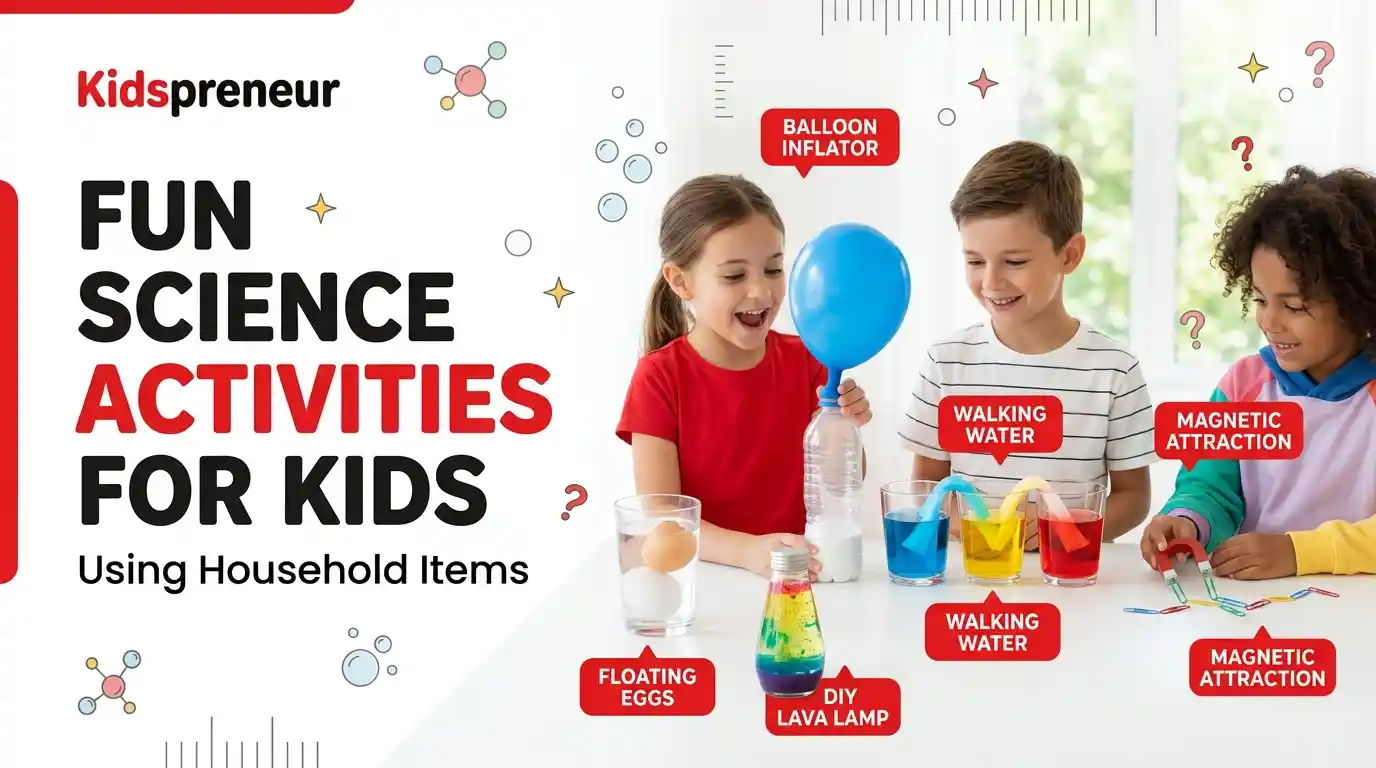
16 September, 2026
Fun Science Activities for Kids Using Household Items