

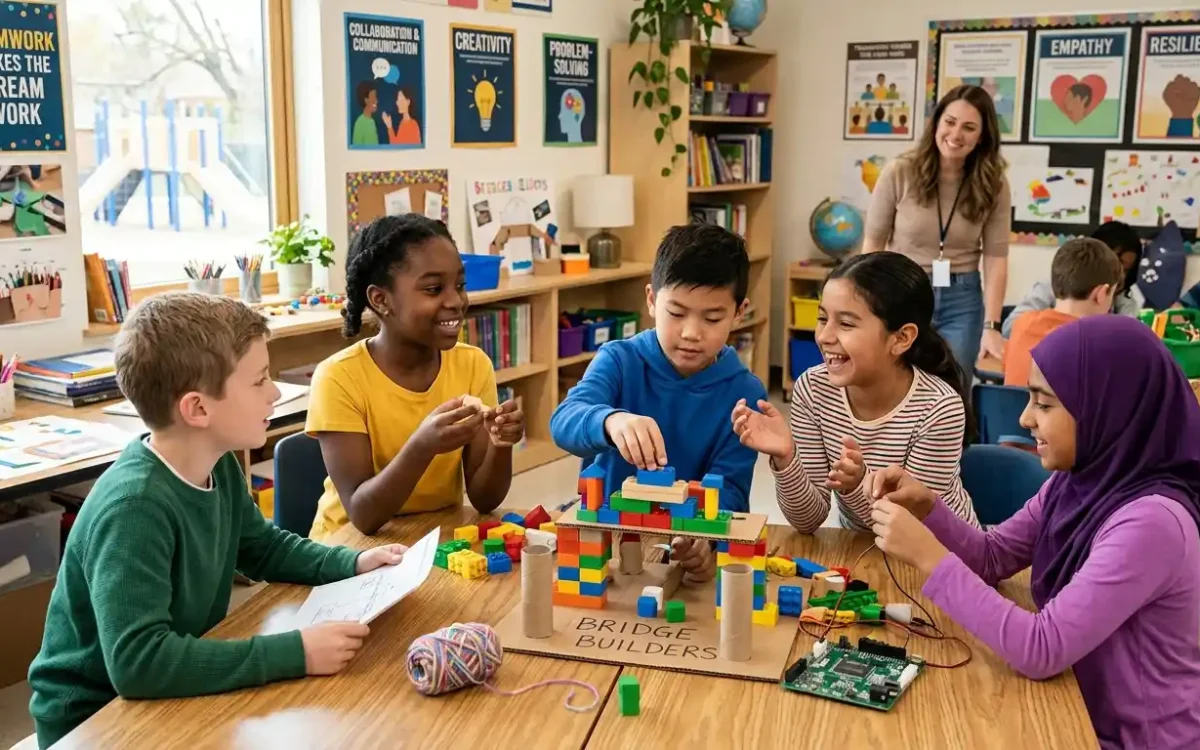
How Schools Develop Soft Skills in Children for Future Success

Discover how schools develop soft skills in children through communication, teamwork, leadership, creativity, and hands-on learning activities.
14
May
2026

How Schools Develop Soft Skills in Children for Future Success

Understanding how schools develop soft skills is becoming more important in modern education. Academic knowledge alone is no longer enough for future success. Children also need communication abilities, teamwork, creativity, leadership, and emotional intelligence to thrive in real life.

Soft skills help children become confident learners, better communicators, and future-ready individuals. Schools play a major role in shaping these abilities through classroom activities, collaboration, and hands-on learning experiences.

What Are Soft Skills?

Soft skills are personal and social abilities that help children interact effectively with others and manage different situations.

Common Soft Skills Include:

  • Communication skills
  • Leadership abilities
  • Teamwork
  • Problem-solving
  • Creativity
  • Emotional intelligence
  • Time management
  • Confidence building

These skills support children throughout education, careers, and daily life.

Why Soft Skills Are Important for Students

The modern world values people who can:

  • Communicate clearly
  • Think creatively
  • Work in teams
  • Adapt to change
  • Solve real-world problems

This is why schools are now focusing on skill based learning in schools instead of only memorization and exams.

How Schools Develop Soft Skills Through Classroom Activities

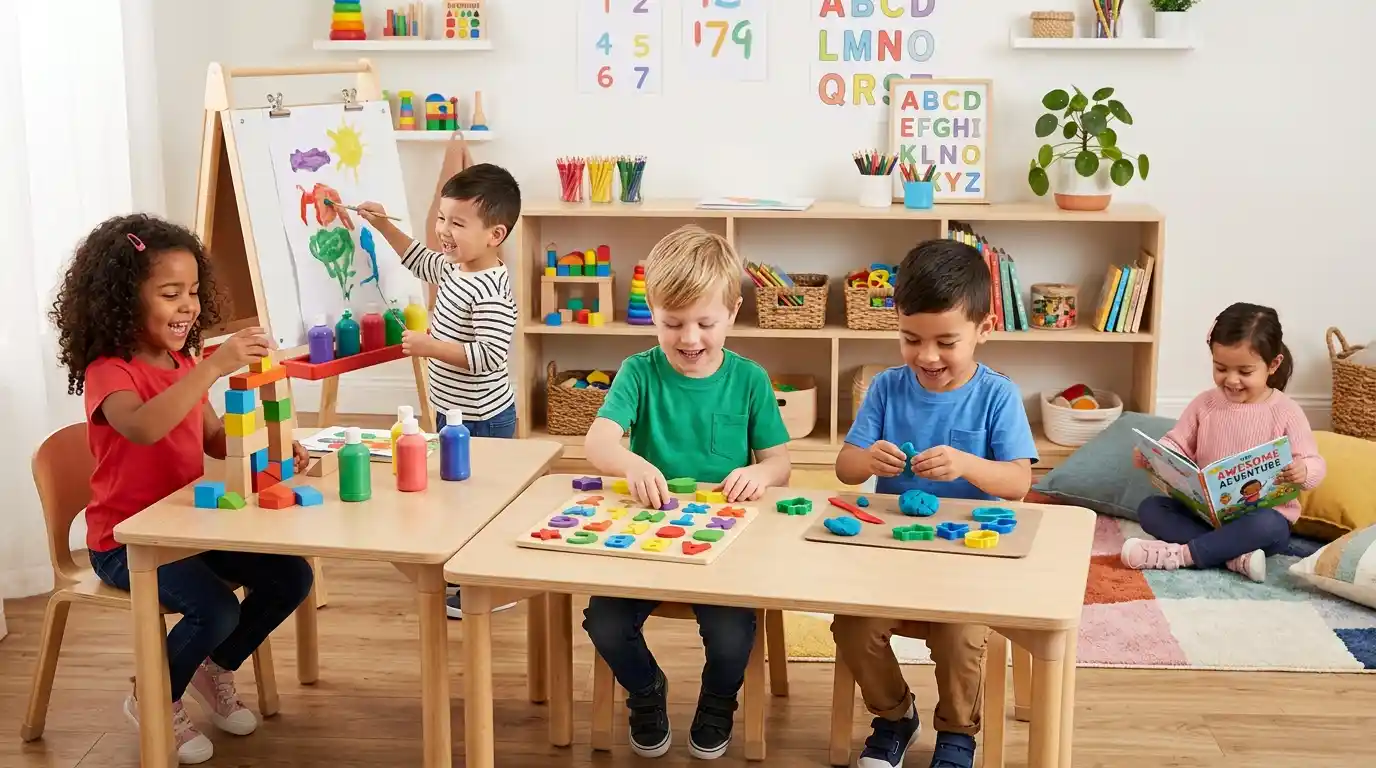
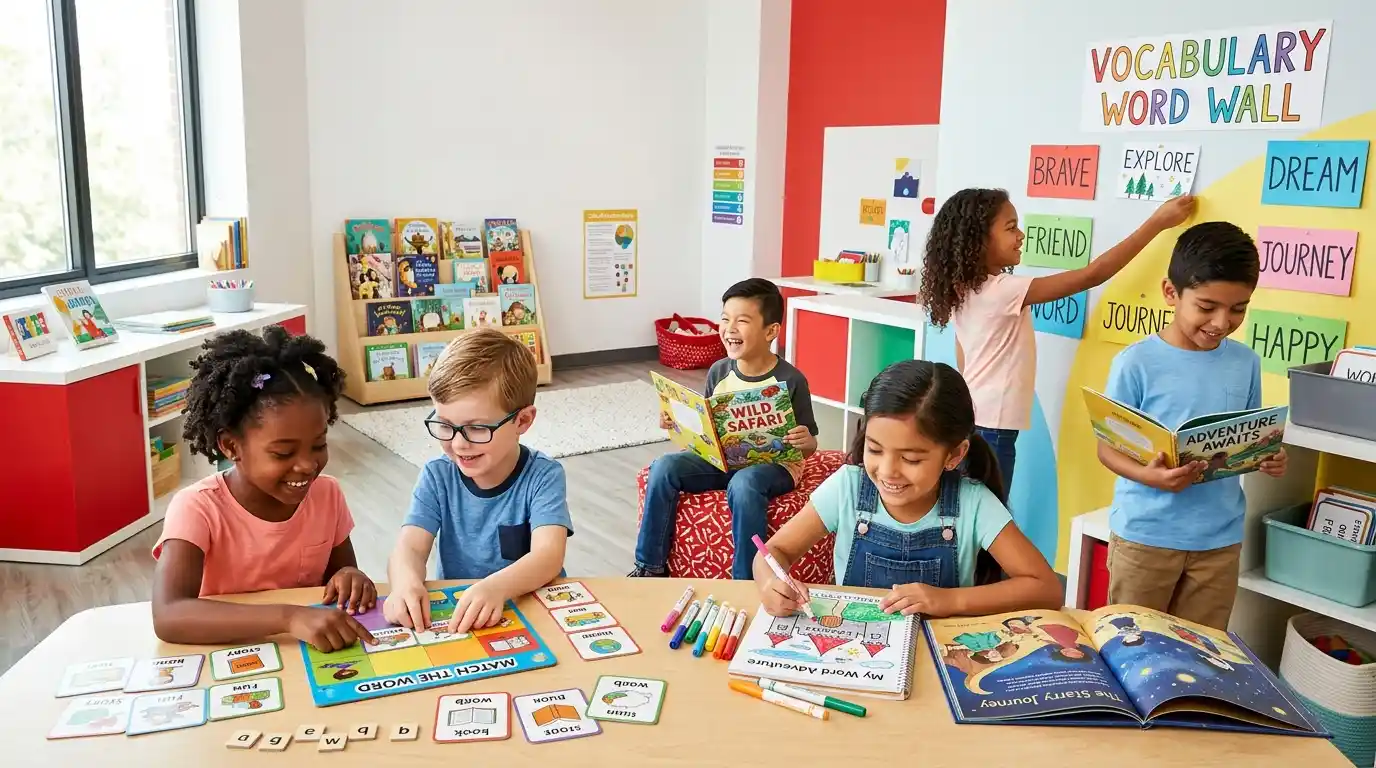
One of the most effective ways schools develop soft skills is through interactive learning activities.

Examples Include:

  • Group discussions
  • Team projects
  • Presentations
  • Debates
  • Creative assignments

These activities encourage children to express ideas confidently and collaborate with others.

Teamwork and Collaboration in Schools

Team activities teach children how to:

  • Listen to others
  • Respect different opinions
  • Solve conflicts
  • Share responsibilities

Through teamwork, children develop strong social and communication skills that are essential in adulthood.

Communication Skills Development

Schools help children improve communication through:

  • Public speaking activities
  • Classroom participation
  • Storytelling sessions
  • Interactive learning exercises

These activities reduce fear and improve confidence in speaking and expressing ideas.

Traditional Learning vs Soft Skills Learning

Traditional Education Soft Skills Development
Memorization-focused Communication-focused
Individual learning Team collaboration
Exam-based success Real-world skill development
Passive learning Interactive learning

Role of Emotional Intelligence in Schools

Emotional intelligence is a major part of soft skill development.

Children learn:

  • Empathy
  • Self-awareness
  • Respect for others
  • Emotional control

Schools that encourage supportive and collaborative environments help children grow emotionally stronger.

Leadership Skills for Kids

Schools develop leadership abilities by giving children opportunities to:

  • Lead group projects
  • Participate in competitions
  • Present ideas
  • Solve challenges independently

These experiences build confidence and decision-making skills.

Creativity and Critical Thinking Development

Creative learning activities help children:

  • Think independently
  • Explore new ideas
  • Solve problems creatively
  • Build innovation mindset

This is essential for future careers and entrepreneurship.

How Activity-Based Learning Improves Soft Skills

Activity-based learning allows children to learn through action and experience.

Benefits Include:

  • Better engagement
  • Improved teamwork
  • Faster understanding
  • Increased confidence

Children remember practical experiences more than theoretical lectures.

Importance of Soft Skills for Future Careers

Future careers increasingly require:

  • Communication abilities
  • Adaptability
  • Creativity
  • Leadership
  • Collaboration

This is why understanding how schools develop soft skills is critical for parents and educators today.

Kidspreneur Approach to Soft Skills Development

At Kidspreneur, we focus heavily on developing soft skills through:

  • Entrepreneurship learning
  • STEM activities
  • AI and innovation programs
  • Creative projects
  • Team-based challenges

Our bootcamp programs help children become:

  • Confident communicators
  • Creative thinkers
  • Problem solvers
  • Future leaders

All Theme Bundles

The All Theme Bundle is a complete learning journey that combines all Kidspreneur programs in one powerful experience.

Children gain exposure to:

  • Entrepreneurship skills
  • STEM learning
  • AI awareness
  • Creativity and innovation
  • Real-world thinking

👉 Perfect for building a strong entrepreneurial mindset.

Journey Through Quran and Science

This course focuses on:

  • Moral development
  • Ethics and character building
  • Positive values and responsibility

👉 Children learn how strong character supports leadership and success.

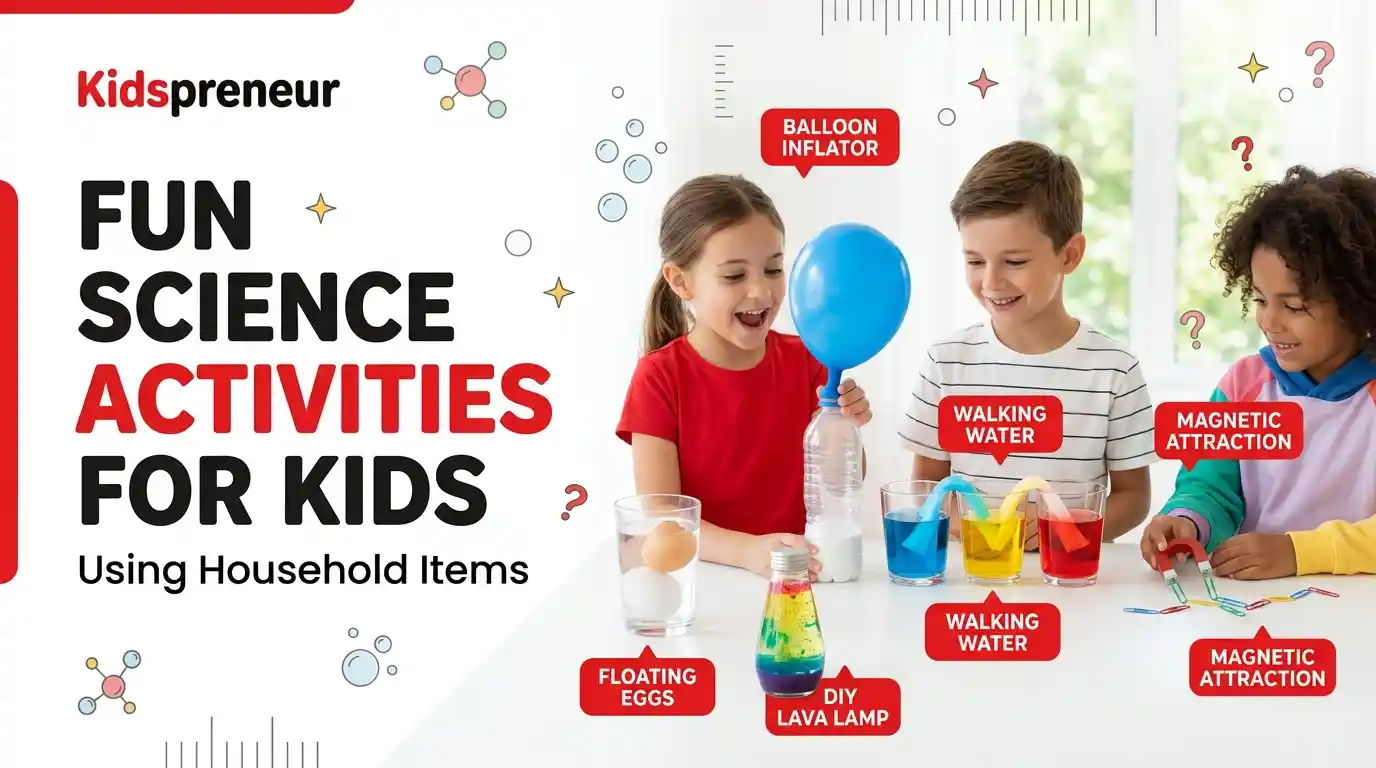
The Oops Lab (STEM Learning)

One of the most exciting STEM learning programs for children.

Kids explore:

  • Science experiments
  • Engineering activities
  • Problem-solving challenges
  • Logical thinking exercises

👉 Encourages innovation and curiosity.

Time Travel with AI

A future-focused course introducing children to:

  • Artificial Intelligence basics
  • Future technology awareness
  • Smart digital tools

👉 This program helps children understand the future of technology and innovation.

Little Masters Studio

A creativity-focused course that improves:

  • Artistic thinking
  • Design skills
  • Imagination
  • Fine motor abilities

👉 Helps children become confident creators.

Eco Smart Kids

This course teaches:

  • Sustainability concepts
  • Environmental awareness
  • Recycling innovation
  • Eco-friendly problem solving

👉 Children learn how to think responsibly for the future.

Final Thoughts

Understanding how schools develop soft skills shows that education today must go beyond textbooks and exams.

Soft skills help children become:

  • Better communicators
  • Independent thinkers
  • Creative problem-solvers
  • Future-ready leaders

When schools combine academics with soft skill development, children gain the confidence and abilities needed to succeed in life.

Frequently Asked Questions

1. What are soft skills for students?

Soft skills include communication, teamwork, leadership, creativity, and emotional intelligence.

They help children succeed socially, academically, and professionally in the future.

Through presentations, discussions, teamwork, and interactive classroom activities.

Yes, activity-based learning is one of the best ways to develop soft skills.

Kidspreneur uses hands-on bootcamps, STEM learning, and entrepreneurship activities to build confidence and leadership skills.

Cart (0 items)
Cart (0 items)