

Kids Activities for Ages 10–12: 30 Fun Learning Ideas to Build Confidence, Creativity, and Future-Ready Skills

Discover the best kids activities for ages 10–12 that develop creativity, leadership, STEM skills, communication, entrepreneurship, and confidence. Explore 30 engaging activities for home, school, and weekends.
1
Aug
2026

Kids Activities for Ages 10–12: 30 Fun Learning Ideas to Build Confidence, Creativity, and Future-Ready Skills

Somewhere around age 10, something shifts. Children become more curious, independent, and eager to explore bigger ideas. They begin forming their own opinions, solving more complex problems, and developing life skills that will help them succeed in secondary school and beyond.

Parents often wonder which activities are most suitable for children aged 10 to 12. They want to reduce screen time, encourage confidence, develop leadership, and make learning enjoyable rather than stressful.

The answer lies in activities that inspire creativity, strengthen critical thinking, encourage teamwork, and allow children to solve real-world challenges.

This guide explores 30 engaging activities that help children stay active while developing practical skills for the future.

Why Ages 10–12 Are Such a Big Deal

Between the ages of 10 and 12, children experience significant social, emotional, and intellectual growth. During these years they begin to:

  • Think more independently.
  • Develop stronger friendships.
  • Communicate more confidently.
  • Discover personal interests and talents.
  • Solve increasingly complex problems.
  • Prepare for the academic challenges of secondary school.

Activities that challenge children while allowing room for creativity build confidence, resilience, and lifelong learning habits.

Why Hands-On Learning Works So Well

Practical activities help children remember concepts because they learn by doing instead of simply memorising information.

Hands-on learning helps children:

  • Strengthen critical thinking.
  • Develop leadership skills.
  • Improve communication.
  • Learn teamwork.
  • Increase creativity.
  • Build responsibility.
  • Develop confidence.
  • Prepare for future careers.

Children are far more likely to remember meaningful experiences than facts learned from textbooks alone.

30 Activities Worth Trying With Your 10–12 Year Old

1. Build a STEM Challenge

Design bridges, towers, or simple machines using recycled materials and household supplies.

Skills: Engineering, creativity, problem-solving

2. Learn Basic Coding

Introduce beginner-friendly coding platforms where children can build games, animations, or interactive stories.

Skills: Logical thinking, digital literacy

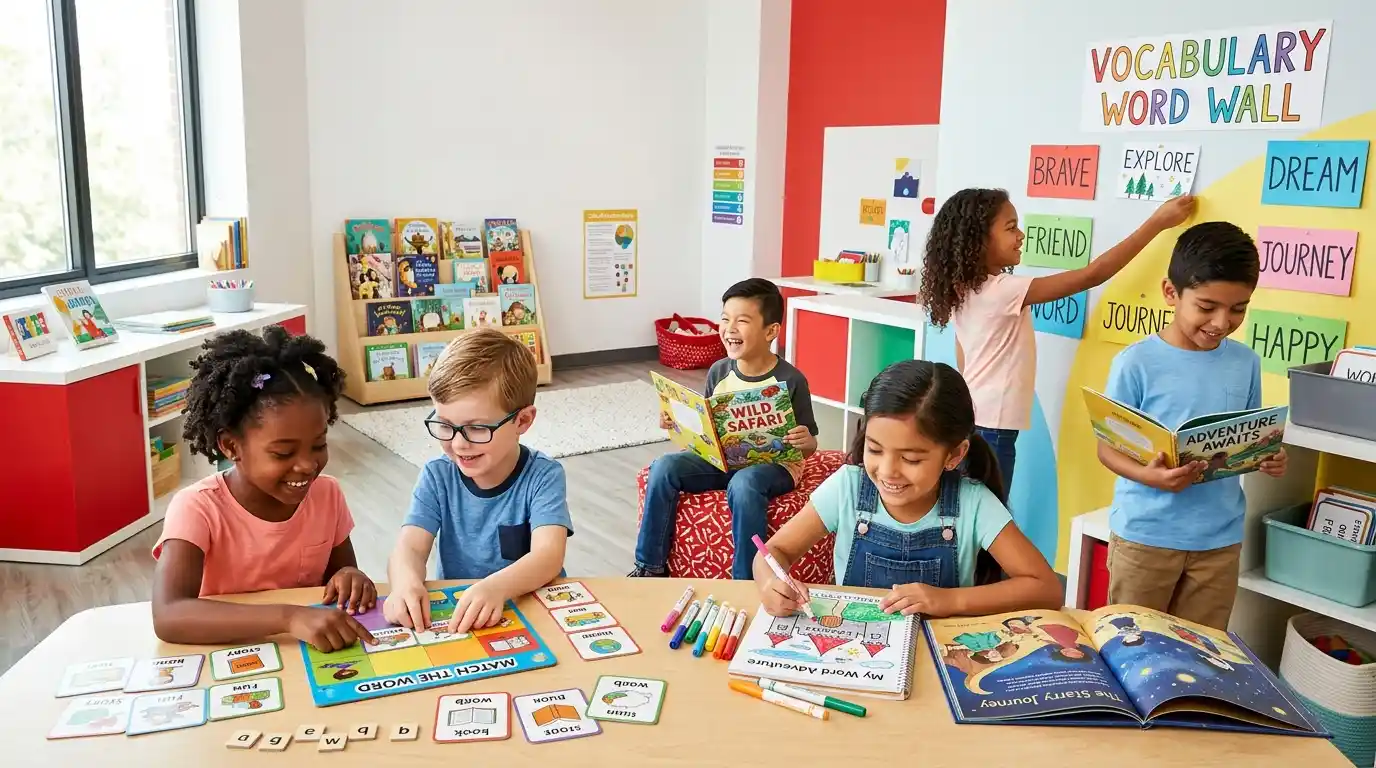
3. Start a Reading Challenge

Choose a new book every month and discuss favourite characters, ideas, and lessons together.

Skills: Vocabulary, comprehension, communication

4. Design a Business Idea

Encourage children to invent a product or service and create a simple business plan.

Skills: Entrepreneurship, creativity, financial awareness

5. Public Speaking Practice

Ask children to present a favourite topic or current event to family members.

Skills: Confidence, leadership, communication

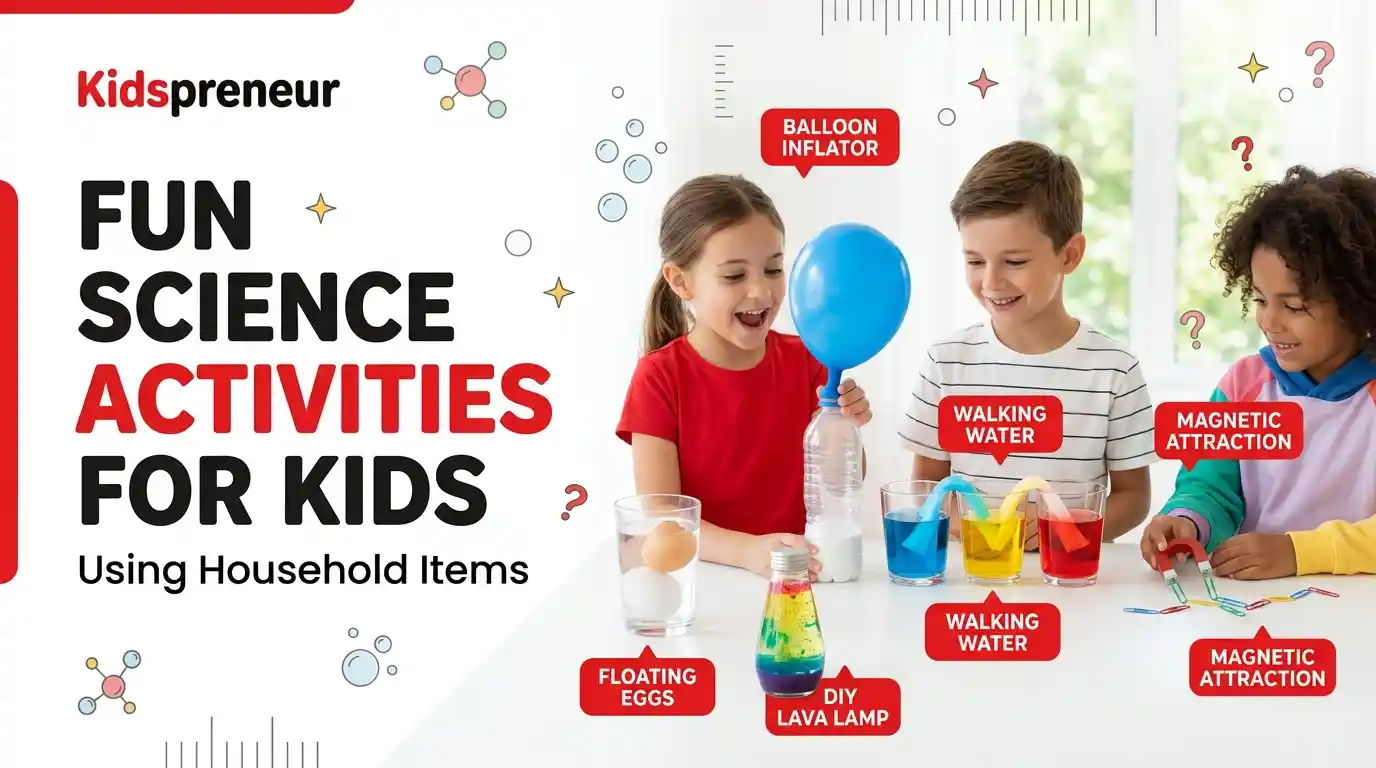
6. Create a DIY Science Experiment

Perform safe science activities that demonstrate chemistry or physics concepts through observation.

Skills: Scientific thinking, curiosity

7. Photography Walk

Explore your neighbourhood while taking photographs of interesting plants, buildings, patterns, or wildlife.

Skills: Observation, creativity

8. Creative Writing

Write short stories, poems, comics, or journal entries to encourage imagination.

Skills: Creativity, writing, communication

9. Gardening

Plant flowers, herbs, or vegetables and learn how to care for them as they grow.

Skills: Responsibility, patience, sustainability

10. Family Debate Night

Choose interesting discussion topics and encourage respectful debates between family members.

Skills: Critical thinking, communication

11. Build a Robot Model

Use recycled materials or beginner robotics kits to design simple robot models.

Skills: Engineering, innovation

12. Puzzle Challenges

Complete Sudoku, logic puzzles, jigsaw puzzles, or brain teasers together.

Skills: Concentration, reasoning, patience

13. Learn Basic Graphic Design

Use beginner-friendly design software to create posters, digital artwork, or presentations.

Skills: Creativity, digital design

14. Cooking Simple Meals

Prepare healthy snacks or simple family recipes while learning measuring and food preparation skills.

Skills: Independence, mathematics, responsibility

15. Volunteer in the Community

Participate in neighbourhood clean-up projects or local charity activities to develop empathy and community awareness.

Skills: Leadership, empathy, social responsibility
Activities 16–30

16. Nature Journaling

Encourage children to record observations about plants, birds, insects, weather, and outdoor discoveries in a journal.

Skills: Observation, writing, curiosity

17. LEGO Engineering Challenge

Challenge children to build bridges, vehicles, towers, or houses using LEGO bricks while solving engineering problems.

Skills: Engineering, creativity, teamwork

18. DIY Recycled Crafts

Transform cardboard, paper rolls, bottles, and other recycled materials into useful or decorative creations.

Skills: Creativity, sustainability, innovation

19. Budgeting Activity

Give children a small budget to plan a family outing or shopping list while learning about managing money.

Skills: Financial literacy, decision-making

20. Learn Chess

Introduce the basics of chess and gradually teach strategies that improve logical thinking.

Skills: Strategic thinking, patience

21. Team Sports

Encourage participation in football, cricket, basketball, badminton, volleyball, or other team games.

Skills: Teamwork, discipline, communication

22. Podcast Recording

Let children record short podcasts about hobbies, books, science, or interesting topics they enjoy.

Skills: Communication, confidence, creativity

23. Family Quiz Night

Create quiz competitions covering science, geography, history, sports, or general knowledge.

Skills: Memory, teamwork, learning

24. Art Competition

Challenge children to create paintings, sketches, digital artwork, or crafts around a chosen theme.

Skills: Creativity, artistic expression

25. Time Management Planner

Help children create a weekly schedule that balances homework, hobbies, exercise, and relaxation.

Skills: Organization, responsibility

26. Learn Basic First Aid

Teach simple safety skills such as treating minor cuts, burns, and knowing when to seek adult help.

Skills: Responsibility, confidence

27. Invent a New Product

Challenge children to identify an everyday problem and design a creative solution through invention.

Skills: Innovation, entrepreneurship, creativity

28. Practice Yoga or Mindfulness

Simple breathing exercises, stretching, and yoga poses help children relax while improving concentration.

Skills: Focus, emotional wellbeing

29. Build a Marble Maze

Use cardboard, glue, and straws to build an exciting marble maze that encourages experimentation.

Skills: Engineering, problem-solving

30. Join a Kids Innovation Program

Participating in programs that combine STEM, entrepreneurship, creativity, leadership, and teamwork helps children develop practical future-ready skills.

Skills: Leadership, innovation, collaboration

What Kids Actually Pick Up From These Activities

Activity Skills Developed
Coding Logical thinking
Reading Communication, vocabulary
Entrepreneurship Financial literacy, leadership
STEM Projects Problem-solving, innovation
Gardening Responsibility
Public Speaking Confidence
Team Sports Teamwork
Creative Writing Imagination

Cutting Down Screen Time With Activities That Actually Matter

Children between the ages of 10 and 12 naturally spend more time using digital devices as they grow older. Replacing some screen time with meaningful hands-on activities helps improve concentration, creativity, confidence, and social interaction.

Here are a few simple ideas:

  • Create a weekly activity challenge.
  • Encourage hobbies that match your child's interests.
  • Spend more time learning outdoors.
  • Involve children in family projects.
  • Allow them to choose activities they genuinely enjoy.

The goal is not to eliminate technology completely but to create a healthy balance between digital learning and real-world experiences.

A Few Tips for Parents

Parents play an important role in helping children develop confidence, independence, and curiosity. Consider these practical suggestions:

  • Encourage curiosity and exploration.
  • Praise effort rather than perfection.
  • Offer a variety of learning experiences.
  • Allow children to make their own decisions.
  • Participate in projects together.
  • Maintain a healthy balance between learning and relaxation.

Children grow best when they feel trusted, supported, and encouraged to discover their own strengths.

How Kidspreneur Supports Kids Aged 10–12

At Kidspreneur, we prepare children for future success by combining practical learning with creativity, innovation, and real-world experiences. Our programs encourage children to think independently, solve problems, communicate confidently, and develop skills that extend far beyond the classroom.

Entrepreneurship

Children learn how to identify opportunities, develop business ideas, understand financial literacy, and think like young entrepreneurs through engaging hands-on projects.

STEM Education

Interactive science, technology, engineering, and mathematics activities encourage curiosity while helping children build analytical and problem-solving skills.

Artificial Intelligence

Age-appropriate AI activities introduce children to emerging technologies and help them understand how artificial intelligence is shaping the future.

Leadership & Communication

Public speaking, teamwork, presentations, debates, and collaborative projects help children develop confidence, leadership qualities, and effective communication skills.

Sustainability

Creative recycling projects and environmental activities encourage children to become responsible global citizens while learning how innovation can help solve real-world problems.

Every Kidspreneur program is designed to make learning practical, enjoyable, and meaningful while preparing children with future-ready skills.

Learning by doing helps children become confident thinkers, creative problem-solvers, and lifelong learners.

Final Thoughts

The ages of 10 to 12 are an important stage in every child's development. During these years, children become more independent, curious, and ready to tackle bigger challenges that prepare them for the future.

Whether they are learning to code, designing a business idea, conducting science experiments, gardening, creating artwork, or participating in leadership activities, every experience helps build confidence, creativity, and resilience.

The goal is not simply to keep children occupied—it is to provide meaningful opportunities that encourage curiosity, critical thinking, teamwork, and a lifelong love of learning.

By choosing engaging hands-on activities, parents and educators can help children discover their strengths while preparing them for academic success and life beyond the classroom.

Frequently Asked Questions

Coding, STEM projects, creative writing, entrepreneurship, gardening, public speaking, sports, puzzles, cooking, art, leadership activities, and innovation challenges are excellent choices for children aged 10 to 12.

Activity-based learning helps children strengthen creativity, communication, teamwork, leadership, confidence, critical thinking, and practical problem-solving through real-world experiences.

Parents can encourage reading, STEM projects, sports, outdoor adventures, DIY activities, volunteering, coding, family games, and creative hobbies while maintaining healthy and consistent screen-time limits.

Important life skills include communication, leadership, teamwork, financial literacy, creativity, responsibility, time management, emotional resilience, and critical thinking.

Kidspreneur provides hands-on programs focused on entrepreneurship, STEM, artificial intelligence, communication, leadership, sustainability, and innovation, helping children build practical skills and confidence for the future.

Cart (0 items)
Cart (0 items)