



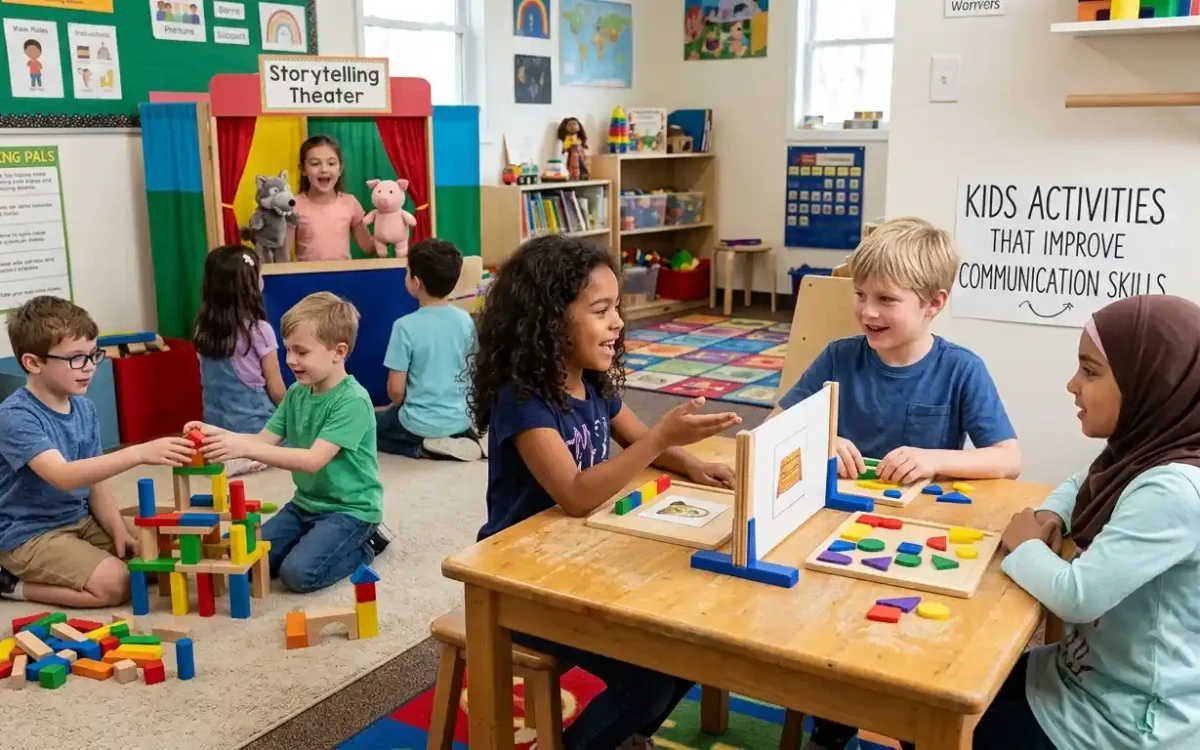
Kids Activities That Improve Communication Skills
Communication is one of the most important life skills a child can develop. It influences how children express their thoughts, build friendships, solve problems, and succeed in school and later in their careers.
Strong communication skills are not limited to speaking clearly. They also include listening, understanding emotions, asking thoughtful questions, expressing ideas confidently, and collaborating with others.
The good news is that communication skills can be developed through fun, everyday activities. Children learn best when they are engaged, curious, and encouraged to participate in meaningful conversations.
In this guide, you'll discover practical activities that help children improve their communication skills while enjoying quality time with family, friends, and classmates.
Why Communication Skills Matter
Good communication helps children:
- Express ideas with confidence
- Build healthy friendships
- Improve classroom participation
- Strengthen teamwork
- Develop leadership qualities
- Resolve conflicts respectfully
- Improve listening skills
- Boost self-confidence
Children who communicate effectively are often more confident in social and academic environments.
Signs Your Child May Need Communication Practice
Every child develops differently, but some signs may indicate they need extra support:
- Hesitates to speak in groups
- Struggles to explain ideas
- Rarely asks questions
- Interrupts conversations frequently
- Finds it difficult to listen carefully
- Avoids presentations or class discussions
The goal isn't to make every child outgoing—it is to help them express themselves comfortably and respectfully.
20 Kids Activities That Improve Communication Skills
1. Storytelling Time
Ask children to create and tell their own stories.
- Vocabulary
- Confidence
- Creativity
- Sentence structure
2. Role-Playing Games
Pretend to be:
- Shopkeeper
- Teacher
- Doctor
- News Reporter
- Chef
Role-playing helps children practice everyday conversations.
3. Family Discussion Night
Choose simple discussion topics:
- My favorite holiday
- My dream job
- How to protect the environment
Encourage everyone to listen and share respectfully.
4. Show and Tell
Ask children to bring a favorite object and explain:
- Why it's special
- How it works
- Where they got it
This builds confidence in speaking before others.
5. Read Books Aloud
Reading aloud improves:
- Pronunciation
- Fluency
- Vocabulary
- Expression
Ask follow-up questions to encourage discussion.
6. Guess the Object Game
Describe an object without naming it while others guess.
This develops descriptive language and clear communication.
7. Interview a Family Member
Ask parents or grandparents questions about their childhood.
- Listening skills
- Curiosity
- Conversation techniques
8. Puppet Shows
Handmade puppets help shy children express themselves more comfortably while building confidence.
9. Board Games
Games like:
- Scrabble
- Pictionary
- Charades
Encourage communication, teamwork, and creative thinking.
10. Friendly Debates
Choose fun topics:
- Cats vs. Dogs
- Summer vs. Winter
- Reading vs. Movies
Children learn to present opinions respectfully.
11. Cooking Together
Preparing meals teaches teamwork, communication, planning, and responsibility.
12. STEM Team Challenges
Work together to build bridges, towers, or simple inventions while discussing ideas and solutions.
13. Emotion Cards
Discuss different emotions shown on cards and encourage children to explain how they feel.
14. Public Speaking Practice
Let children present short talks about their favorite hobbies or interests to build confidence.
15. Telephone Game
The classic whisper game improves careful listening and accurate communication.
16. Collaborative Art Projects
Create posters, murals, or group artwork together while discussing ideas and sharing responsibilities.
17. Ask Open-Ended Questions
Instead of asking "Did you have fun?" ask:
"What was the most interesting part of your day?"
This encourages meaningful conversations.
18. Family Book Club
Discuss together:
- Favorite character
- Biggest lesson
- Best moment
19. Create a Mini Podcast
Record stories, interviews, or fun facts. Listening back helps improve speaking skills.
20. Join Communication-Based Learning Programs
Leadership, entrepreneurship, and public speaking programs provide structured opportunities for children to practice communication confidently.
Everyday Habits That Improve Communication
Small daily habits make a big difference.
- Eat meals together
- Encourage children to ask questions
- Listen without interrupting
- Praise thoughtful conversations
- Read together every day
- Give children opportunities to make decisions
Consistent practice builds lasting confidence.
Skills Developed Through Communication Activities
| Activity | Skills Developed |
|---|---|
| Storytelling | Creativity, Vocabulary |
| Public Speaking | Confidence, Presentation Skills |
| Debate | Critical Thinking, Listening |
| Role Play | Social Skills, Empathy |
| Reading Aloud | Pronunciation, Fluency |
| Team STEM Projects | Collaboration, Communication |
| Board Games | Listening, Teamwork |
| Family Discussions | Confidence, Respectful Communication |
How Kidspreneur Helps Children Become Confident Communicators
At Kidspreneur, communication is part of every learning experience.
Public Speaking
Students confidently present ideas, projects, and business concepts.
Entrepreneurship
Children strengthen communication by pitching ideas and collaborating with teammates.
STEM Learning
Collaborative STEM projects improve teamwork, discussion, and problem-solving skills.
AI & Innovation
Children explain creative solutions and explore future technologies with confidence.
Leadership Development
Interactive activities build confidence, empathy, communication, and teamwork.
Tips for Parents
Parents play the biggest role in developing communication skills.
- Be a patient listener.
- Encourage eye contact.
- Give children time to finish speaking.
- Ask meaningful questions.
- Read together regularly.
- Celebrate effort instead of perfection.
- Create a safe environment where every opinion is valued.
Confidence grows when children know they are being heard.
Final Thoughts
Communication is a skill that influences every stage of a child's life—from making friends in school to succeeding in future careers.
The best way to strengthen communication isn't through lectures but through conversations, games, storytelling, teamwork, and real-life experiences.
By making communication part of everyday family life, parents can help children become confident speakers, active listeners, and compassionate leaders.
The conversations you encourage today will shape the confident communicators of tomorrow.
Frequently Asked Questions
1. What activities improve communication skills in children?
Storytelling, role-playing, reading aloud, public speaking, board games, debates, STEM projects, family discussions, and collaborative activities all help improve children's communication skills.
2. Why are communication skills important for kids?
Communication skills help children express ideas clearly, build relationships, develop confidence, solve problems, and succeed in school and future careers.
3. How can parents improve their child's communication skills at home?
Parents can encourage daily conversations, read together, ask open-ended questions, listen actively, involve children in decision-making, and provide opportunities for storytelling and presentations.
4. At what age should children start developing communication skills?
Communication skills begin developing from infancy, but structured activities such as storytelling, role-playing, and public speaking can be introduced during preschool and primary school years.
5. How does Kidspreneur help improve children's communication skills?
Kidspreneur offers hands-on programs in entrepreneurship, leadership, STEM, public speaking, and collaborative learning that help children build confidence, improve communication, and develop essential life skills.
Search
Recent Posts
16 September, 2026
Top Kids Activities for Preschoolers: Fun & Educational Ideas
16 September, 2026
Fun Science Activities for Kids Using Household Items